Featured

Justice Family Update/Photo Dump – January 2022

What we’ve been up to this year

Well, it didn’t seem like a lot until I tried to summarize it all a few weeks ago. Words escaped me and time as well with the holidays come and gone. Welcome, New Year. Below are some of the pictures that highlight our past year. There are so many awesome things that are not included – like our connections at church and in the city of Richland or Bethany’s work as a nurse or all the fun times with our extended families. Really, what is highlighted is the vision we moved to Richland for: To be more connected with what is Real.
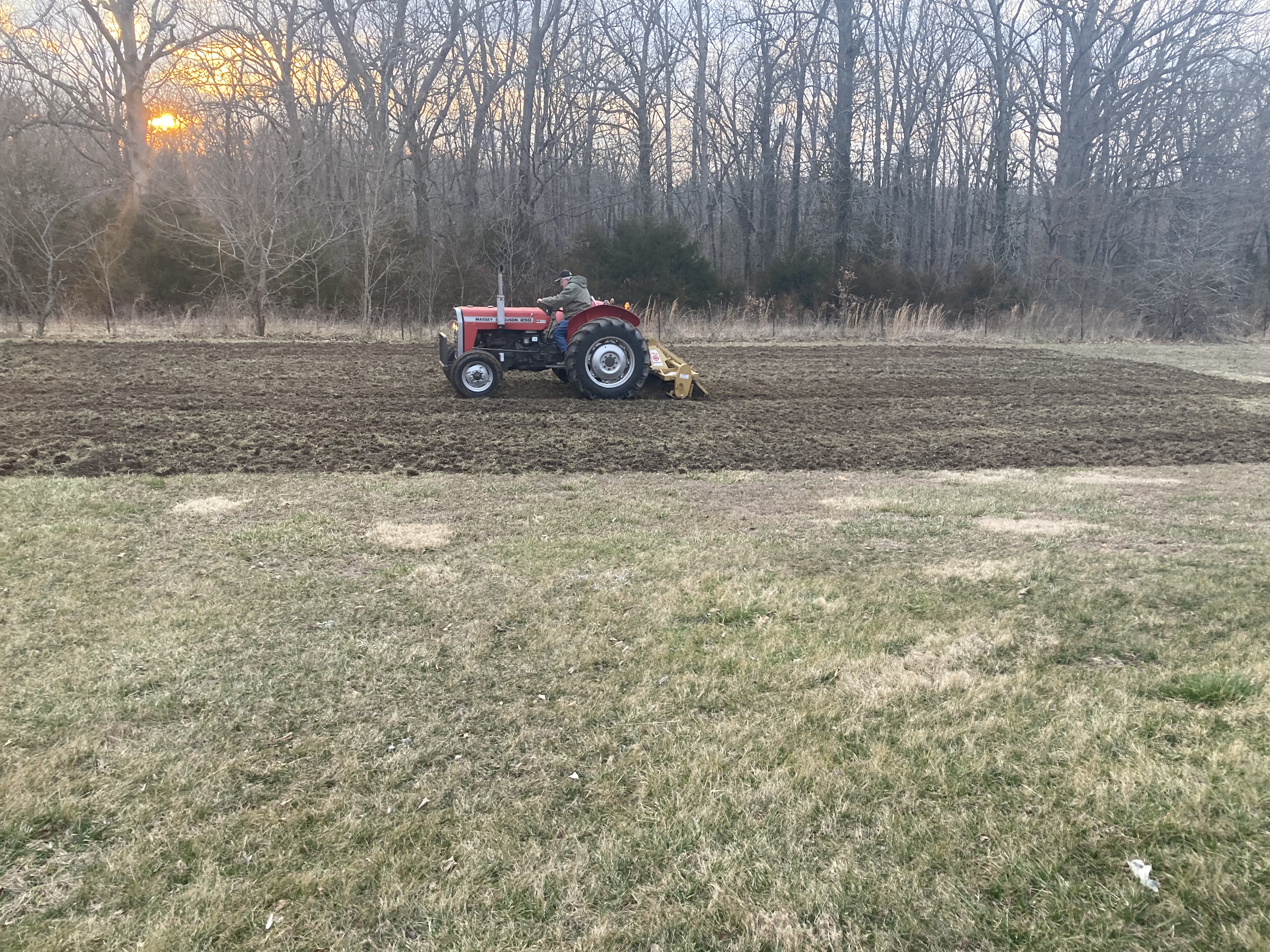
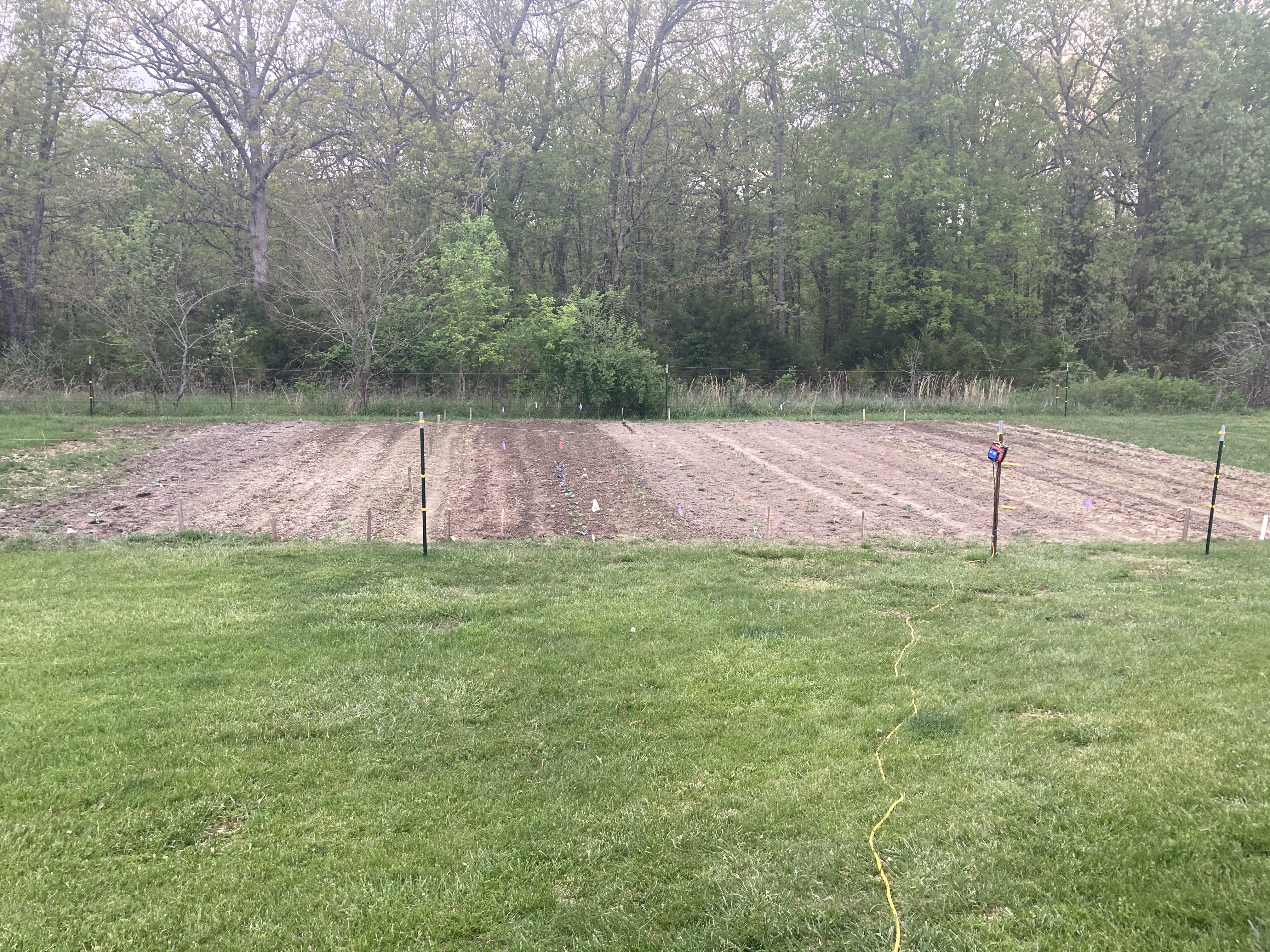
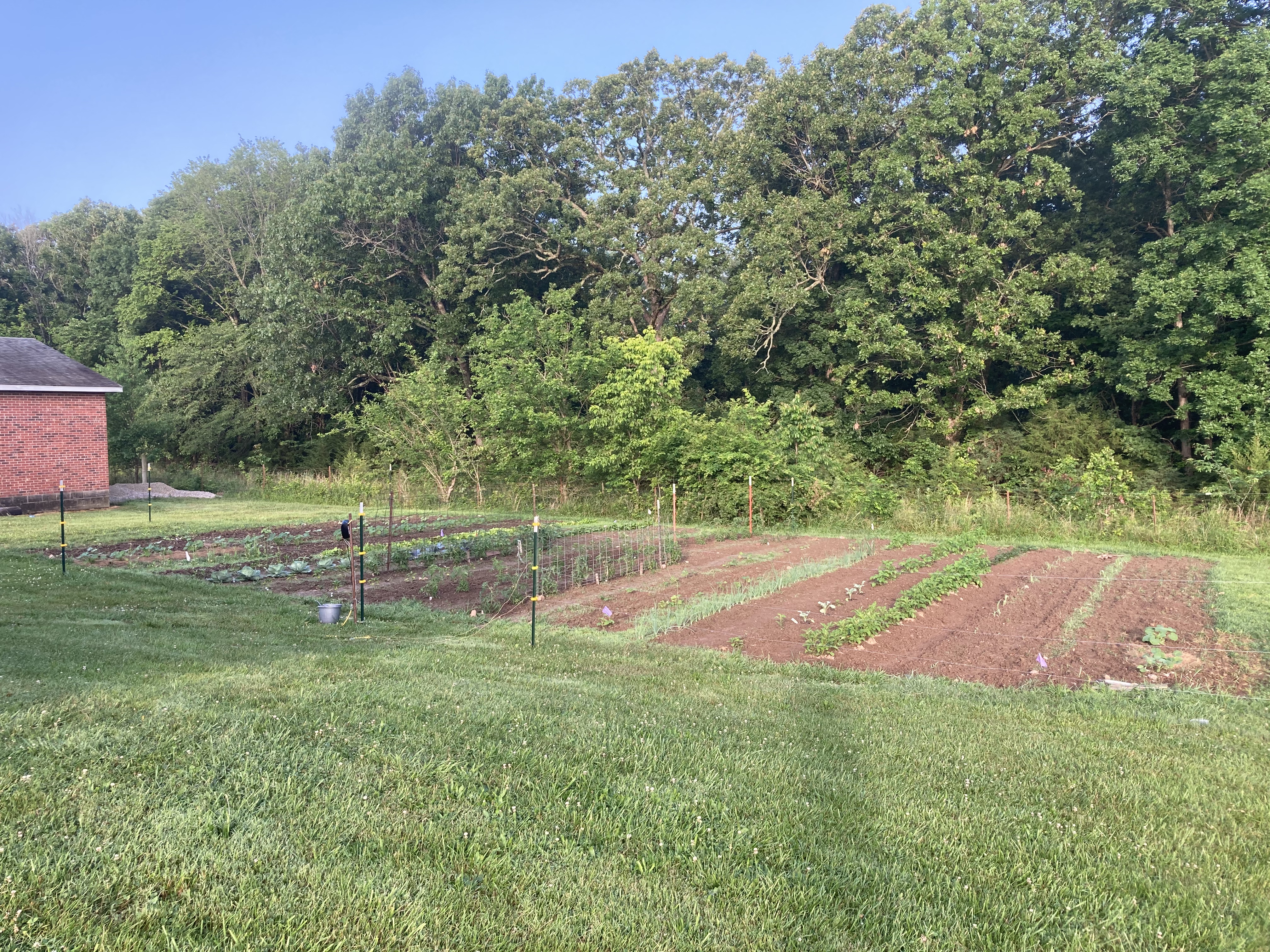
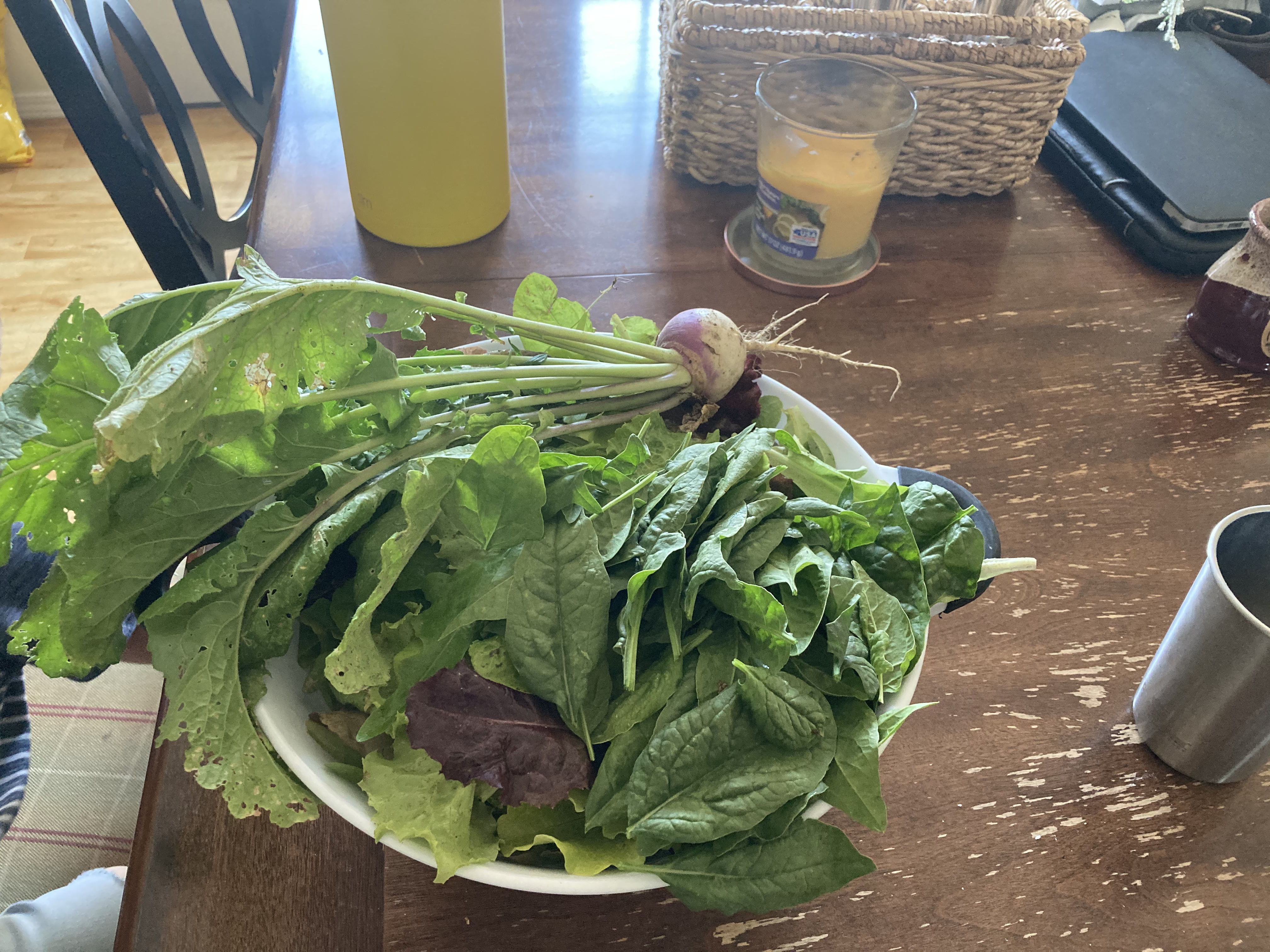
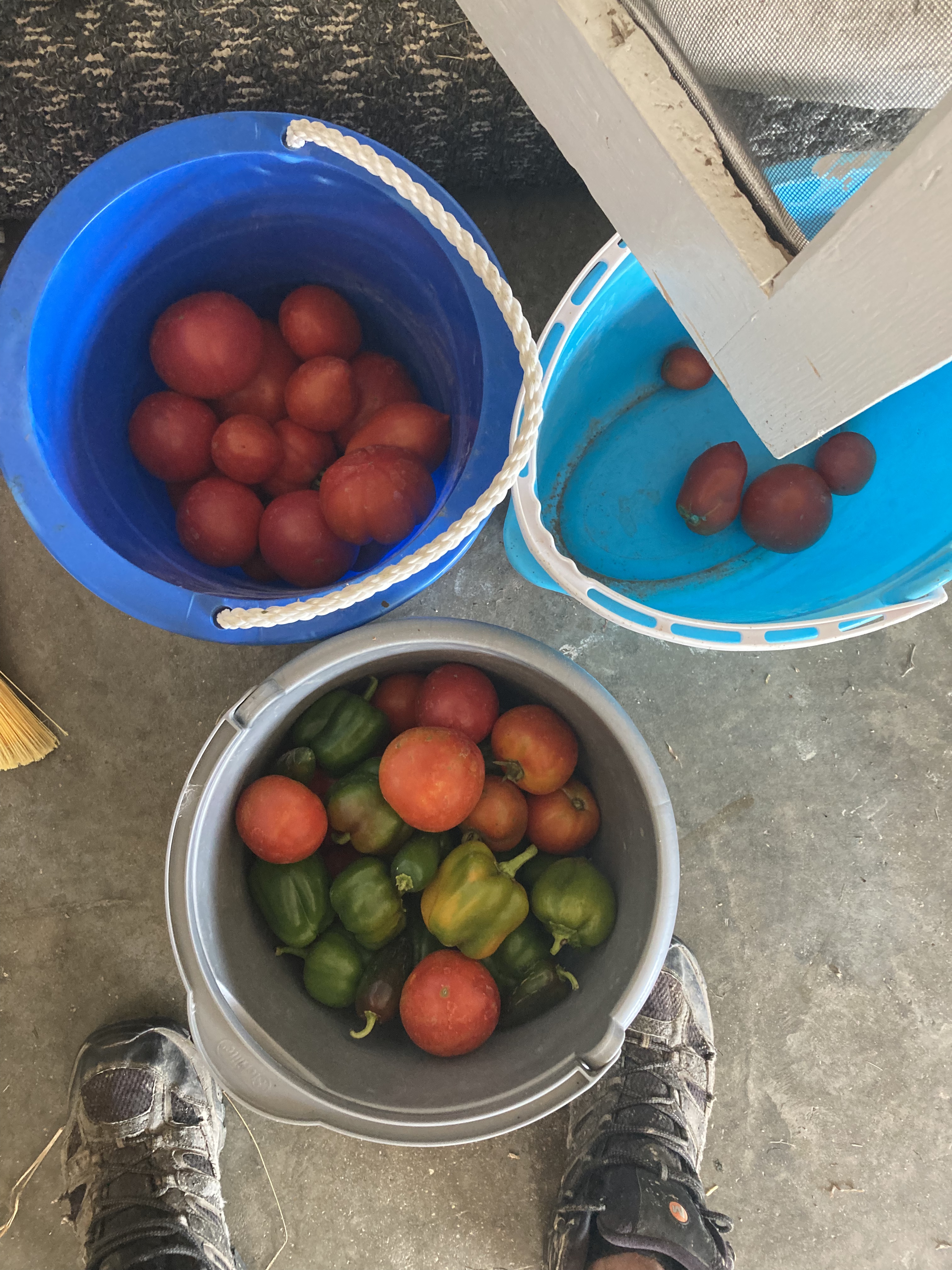
One of our big goals for 2021 was to raise our first garden. We did that. And learned SO much along the way. A few highlights: 1) Always grateful for kind neighbors and generosity. So much knowledge and time was shared to help make our garden a success by others around us. Thank you!
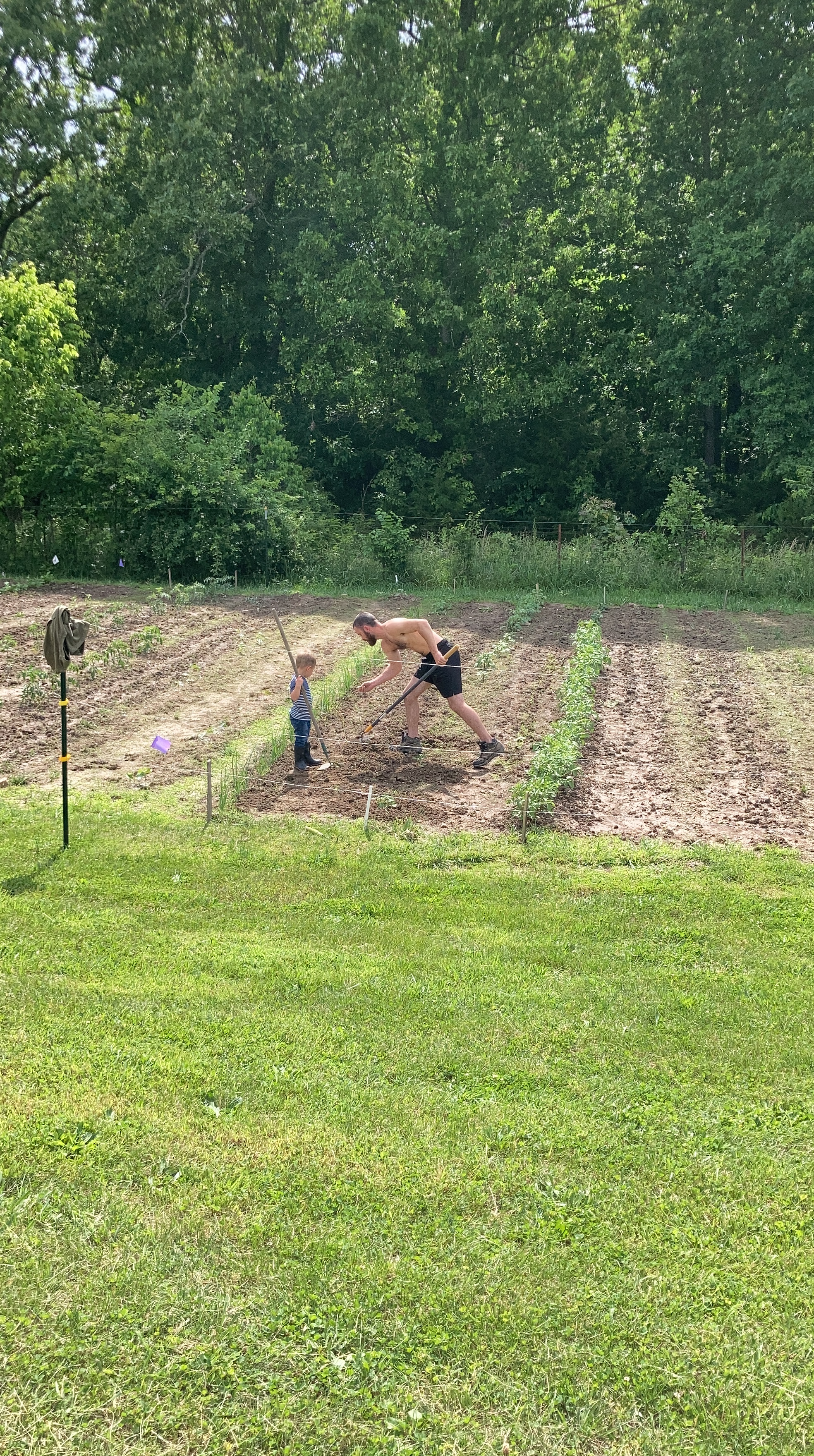
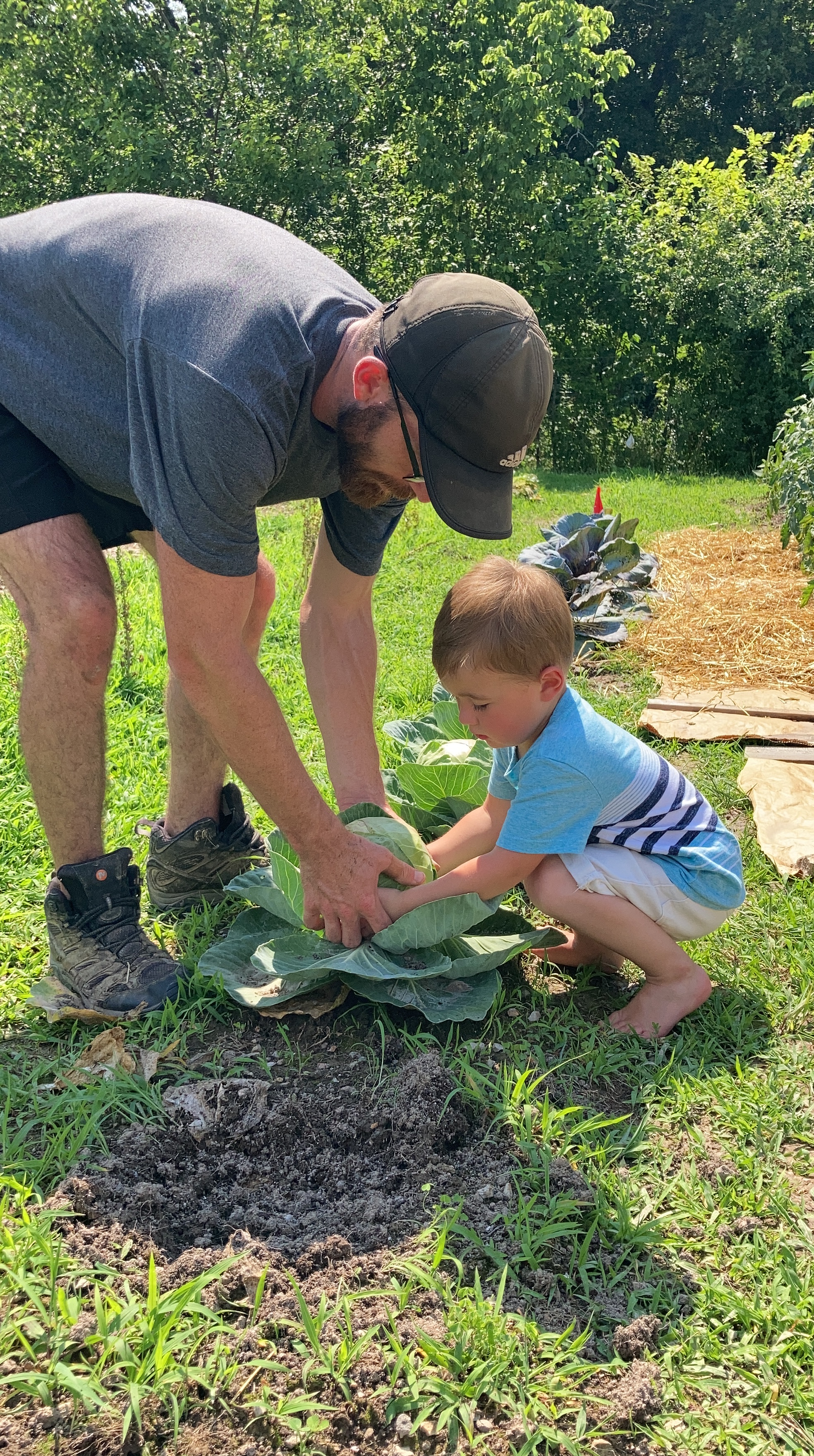
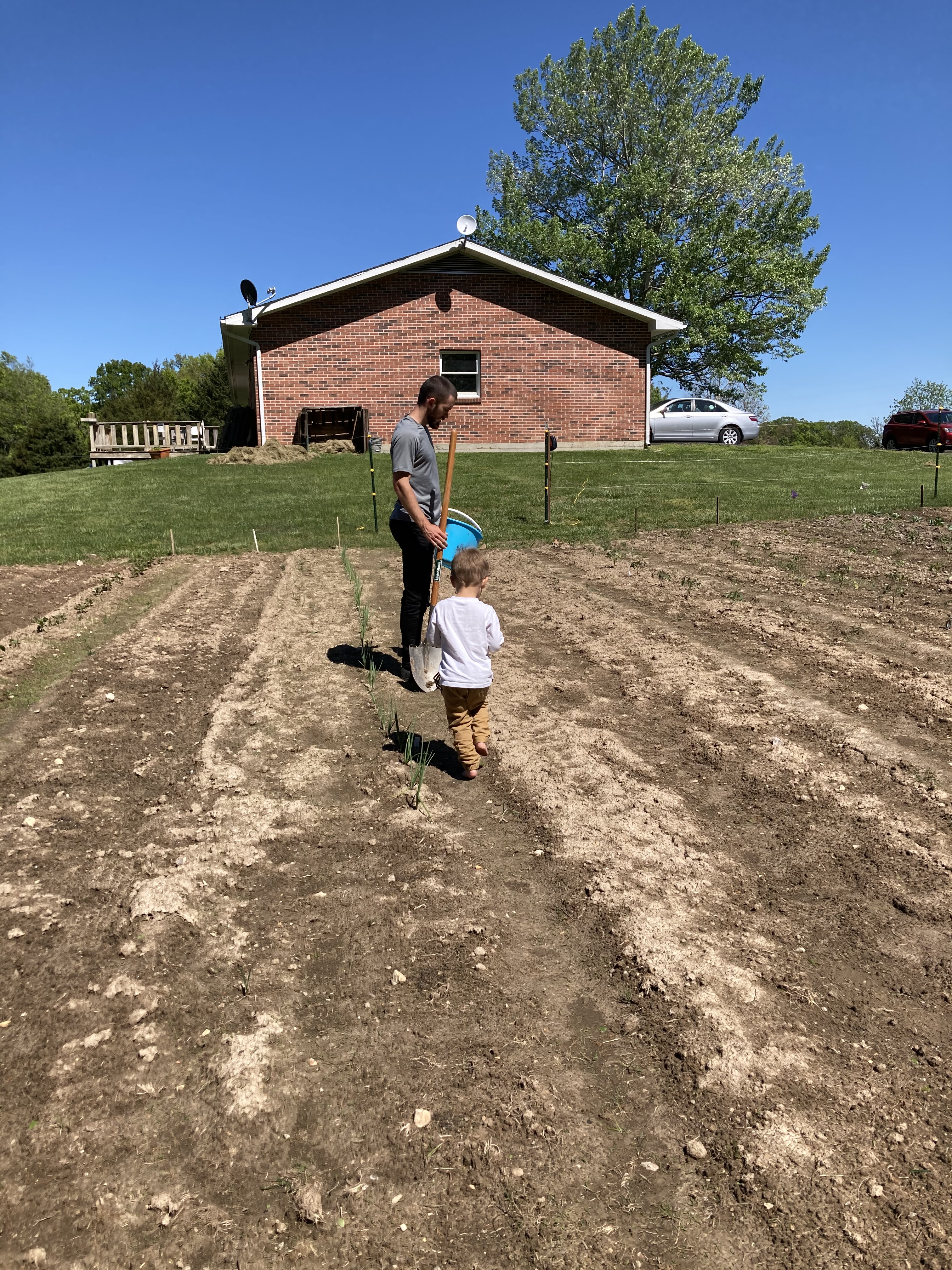
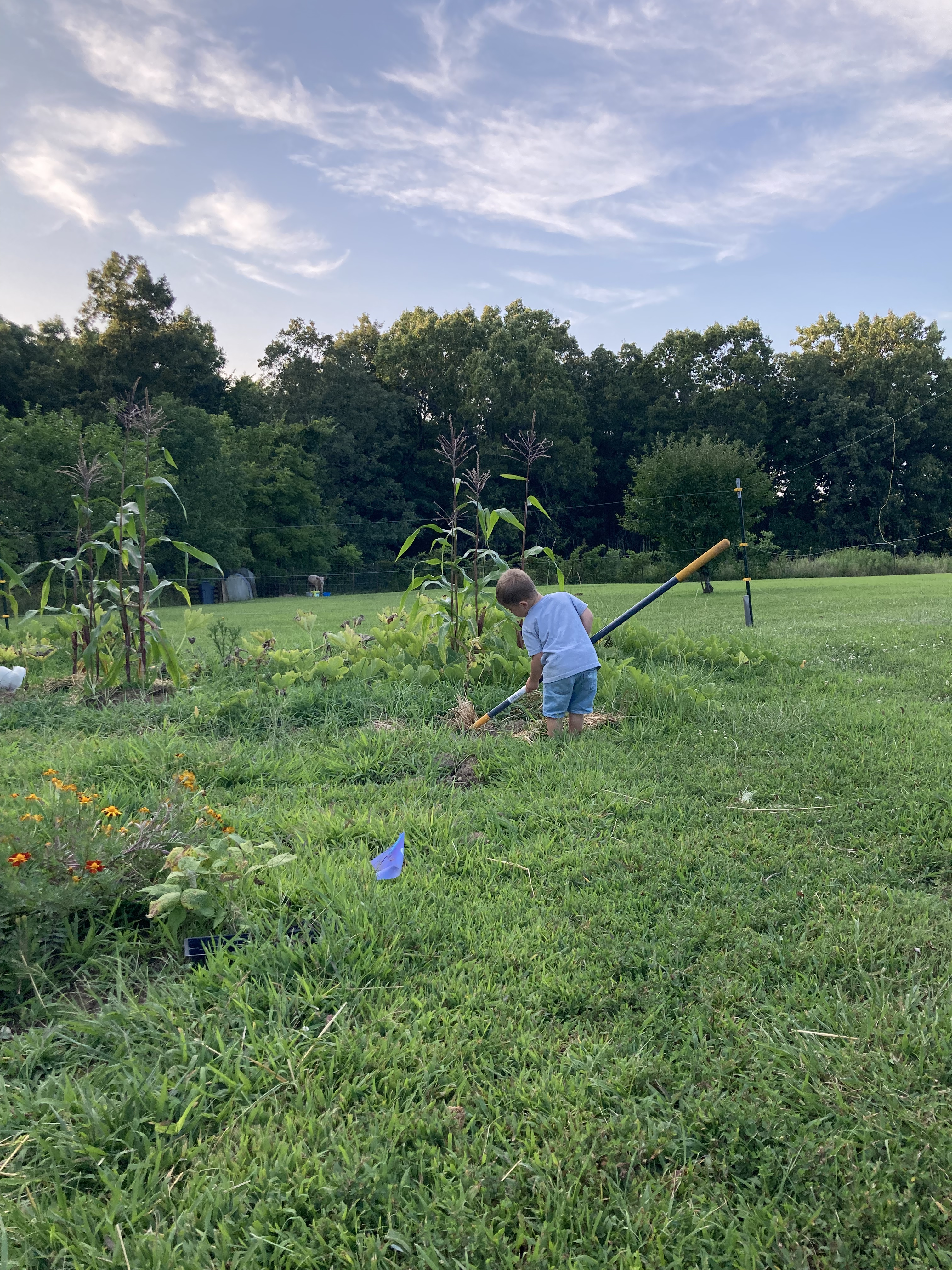
2) We love getting our hands dirty. Well, I do. Emytt not so much. But he loved playing in the dirt as long as he had a shovel or hoe. Caring for living things takes a lot of work. And as you can see our garden grew grass as well as produce!

3) We love caring for living things – soil and plants included. It has brought us to life, rooted us in tangible rhythms and seasons, and given us a deep appreciation for the mystery of life, growth, fruitfulness, death. As we live in a more sustainable, whole, and healthy way we are excited to keep growing our own food. And perhaps share some with you one day! 4) There are a lot of shortcuts, but if you are pursuing health at all costs (not profit or yield at all costs) then you do whatever it takes to preserve and nurture health. I am talking about a garden and I am talking about life.
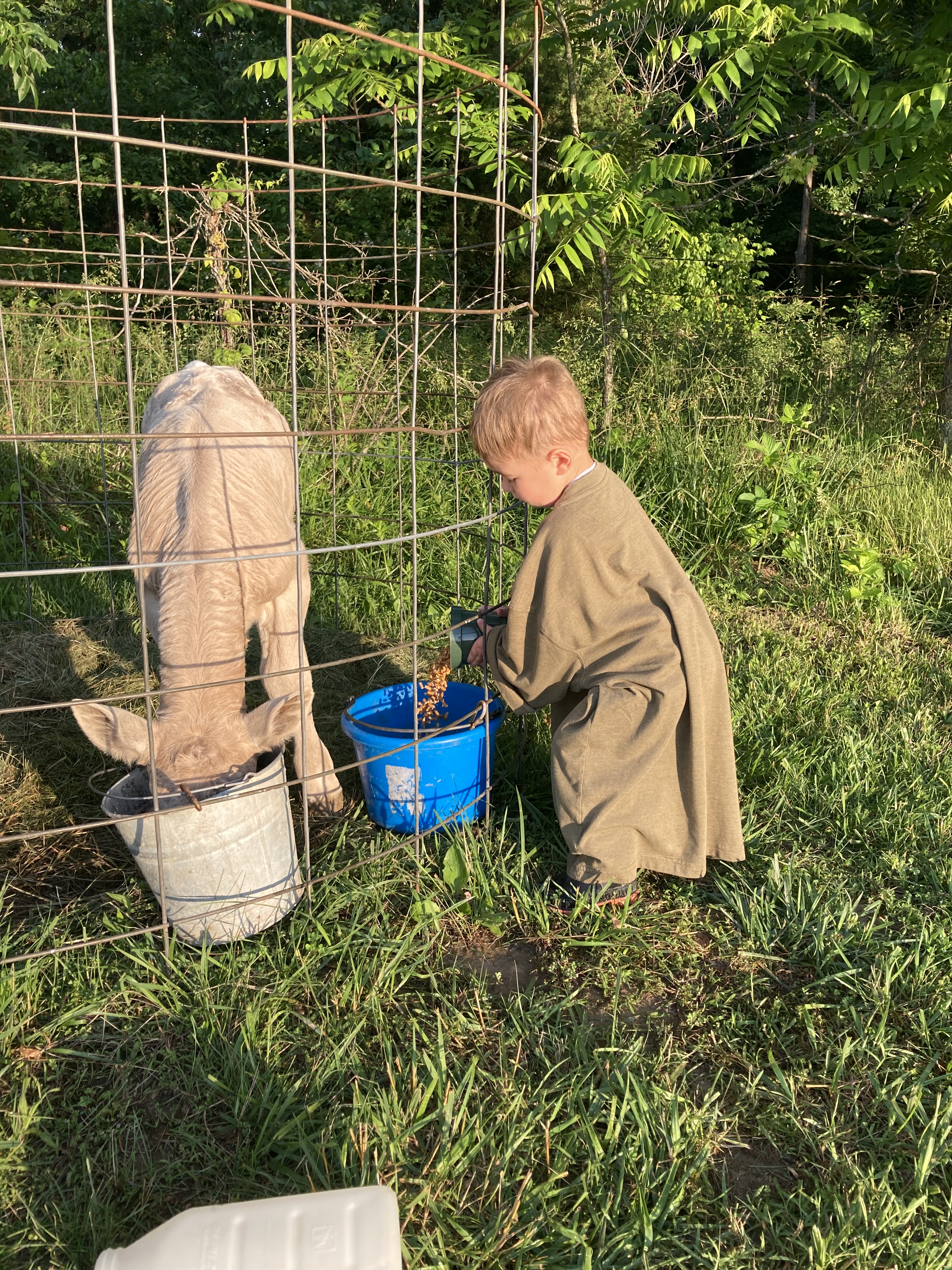
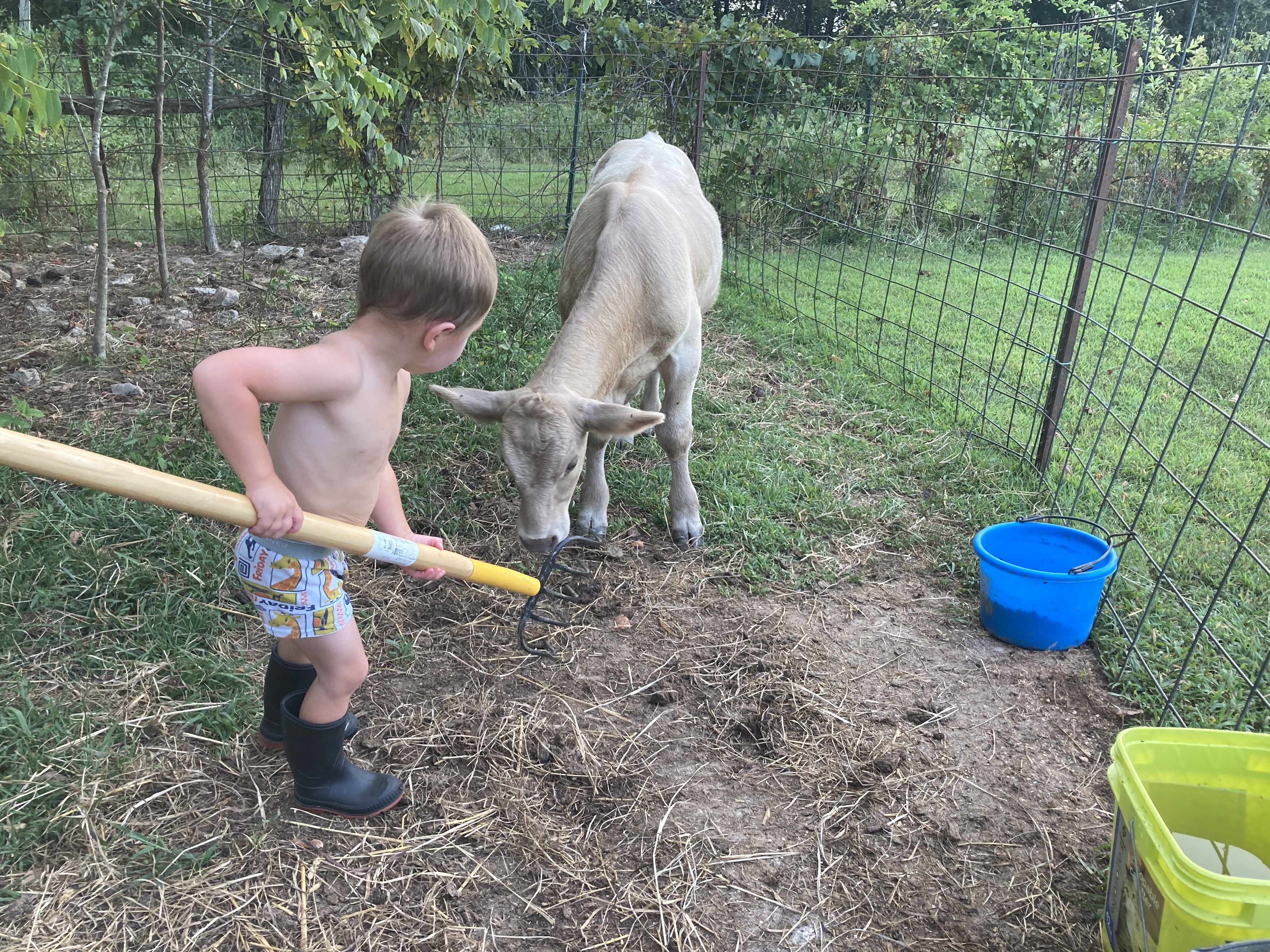
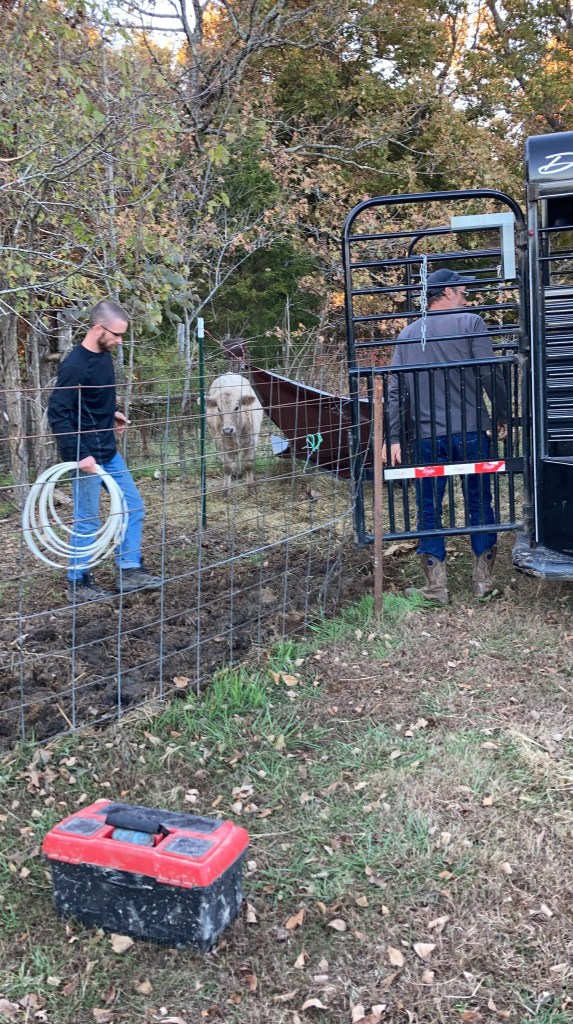
As I said above, we love caring for living creatures. This has put us in touch with the mystery of life, responsibility, and the amount of work, energy, and potential health that can be found in raising our own food. We currently have two calves fattening up for the butcher and three pigs. All of these are on a (mostly) organic diet. The pigs in our garden spot are “contributing” to next year’s growth. I am toying with the idea of butchering one of the pigs myself…we’ll see.

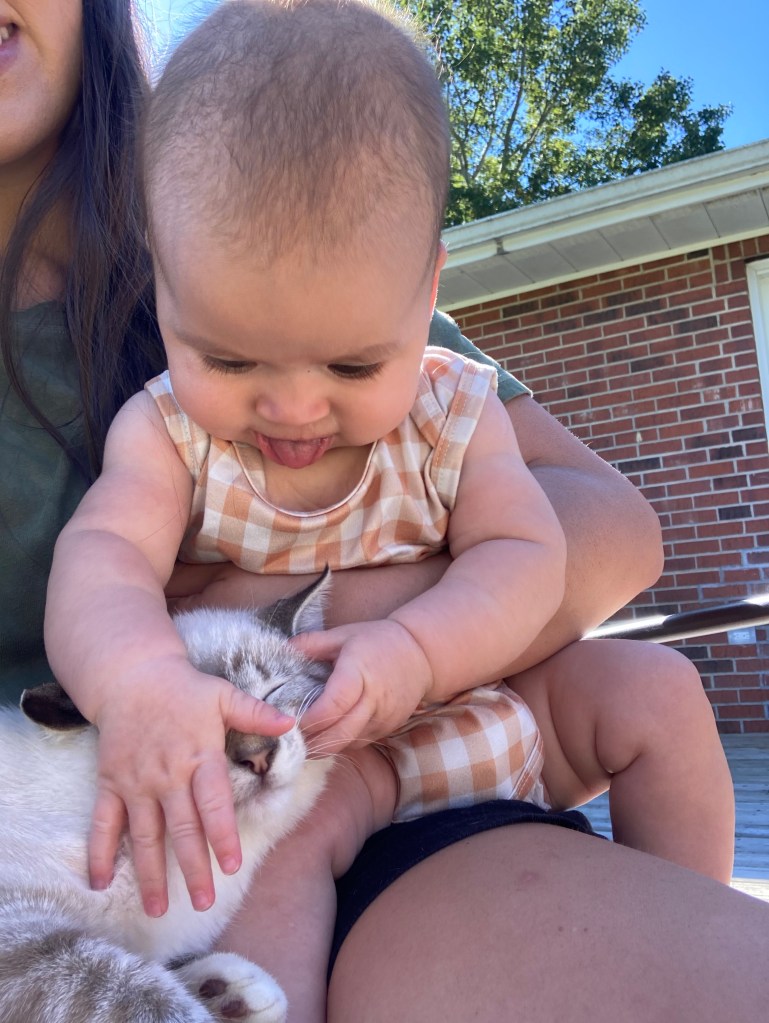
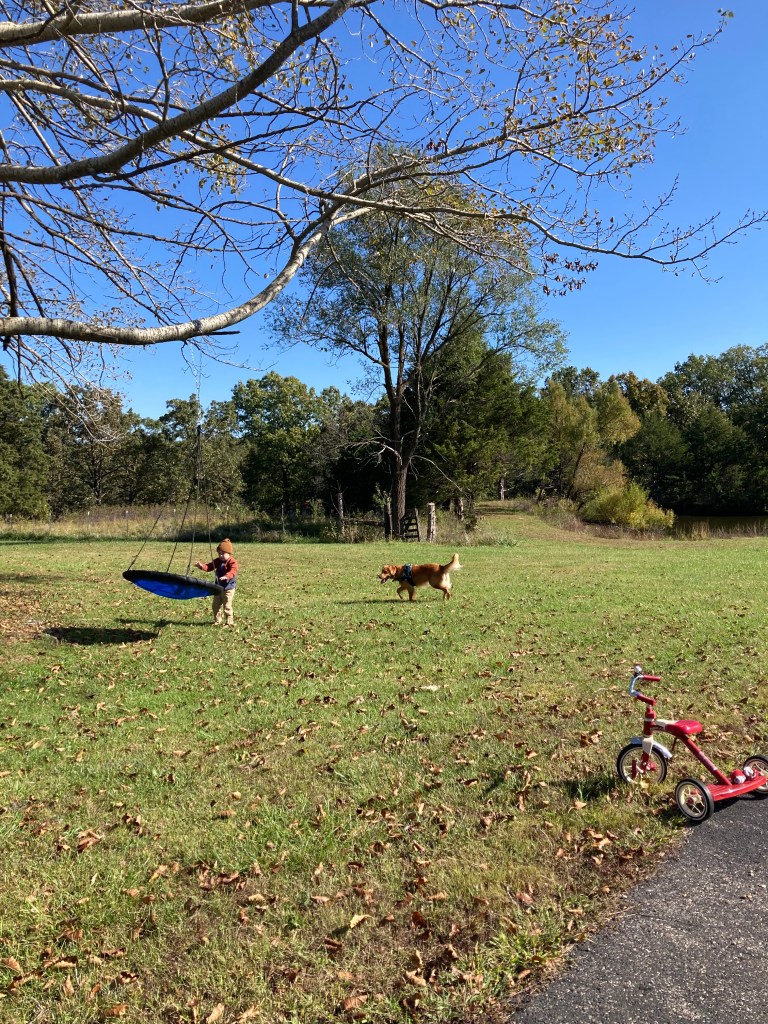
We also had the great gift of a few cats and a beautiful dog, Ellie. Thank you to the generous family who gave her to us! These animals have provided countless hours of company, fun, and play.

Emytt is excited to butcher the calves so we can have more hamburger. It is a harsh reality to be in touch with death, but I find this a better option than complete ignorance around what we eat. I know there are some who would rather just eat veggies. I am a big fan of those. But for where we live, cattle are also one of the best ways to care for most of the land. (Much of it is too hilly to be plowed for crops and need perennial cover to keep and nurture the soil.)
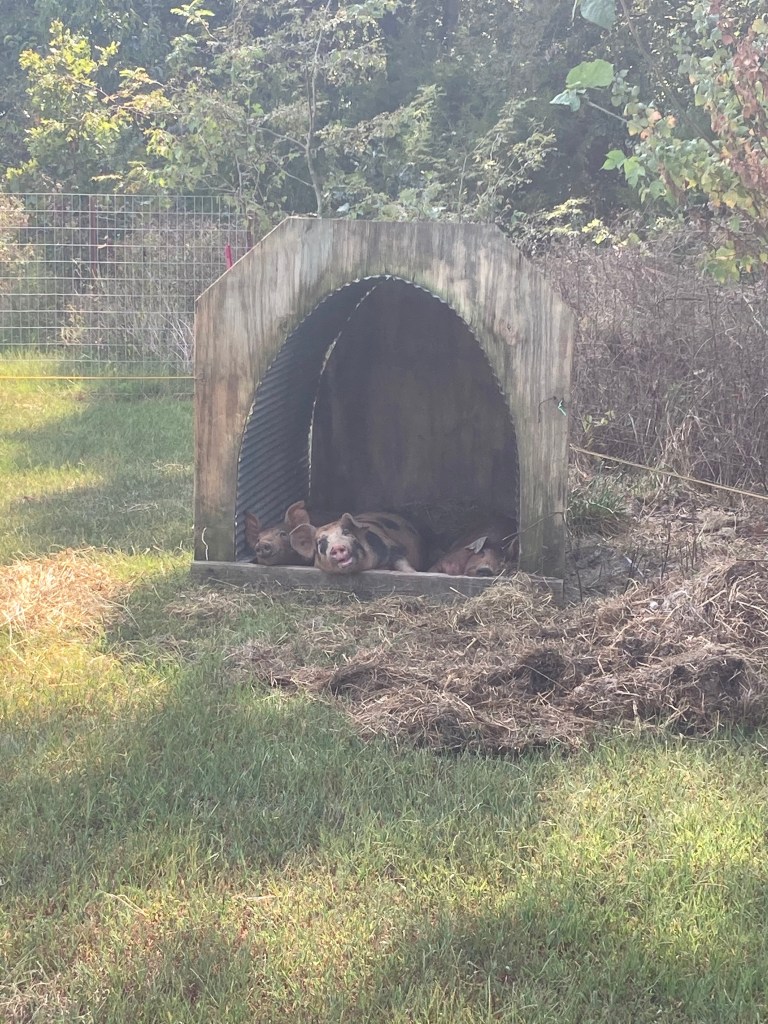
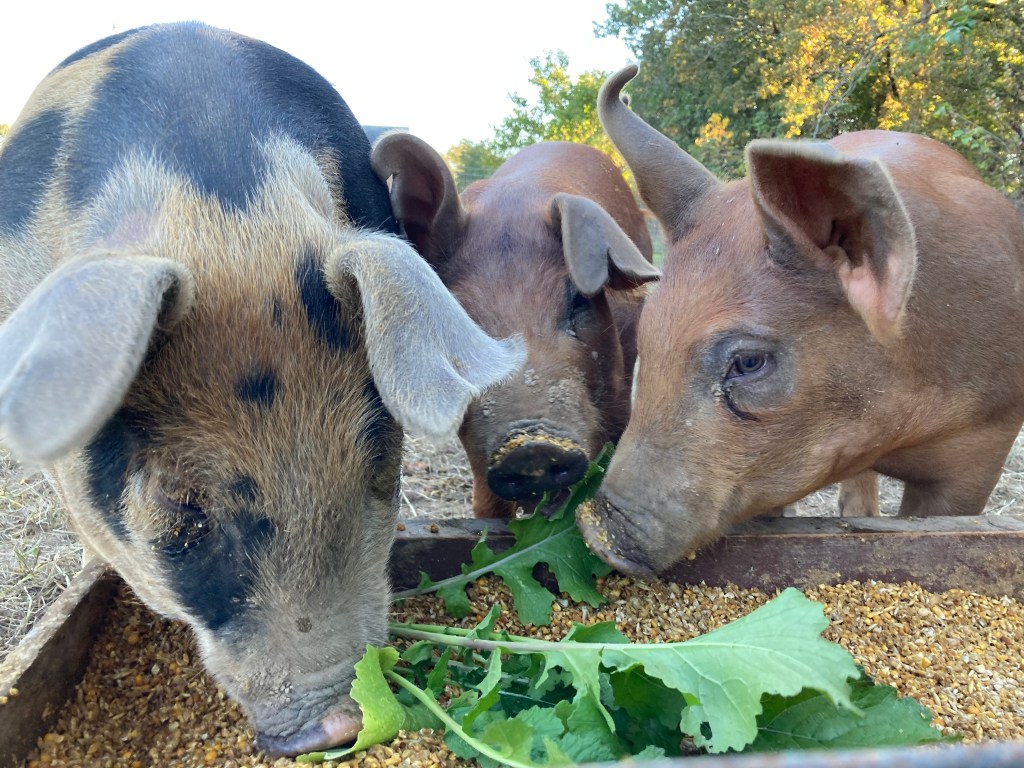
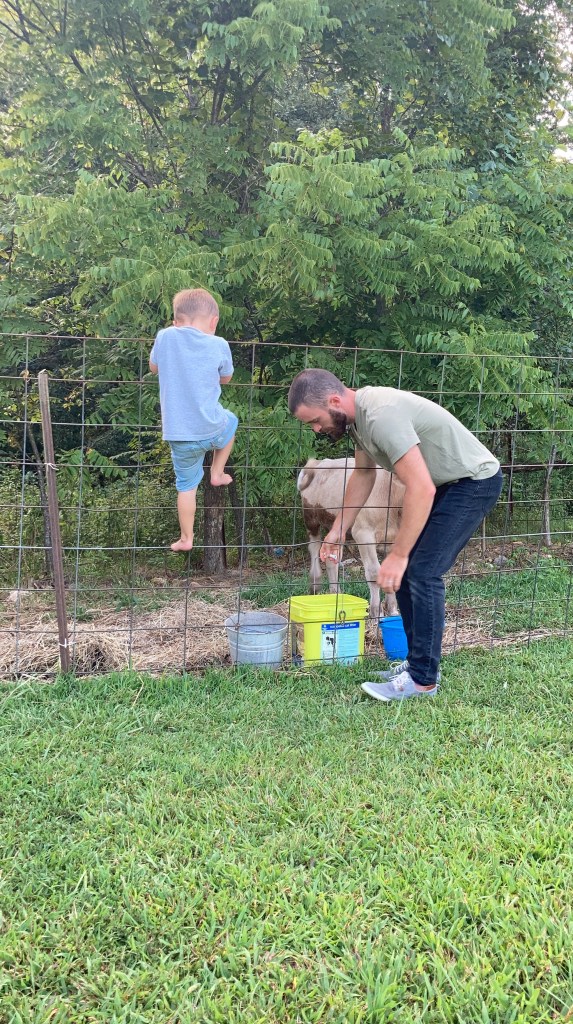
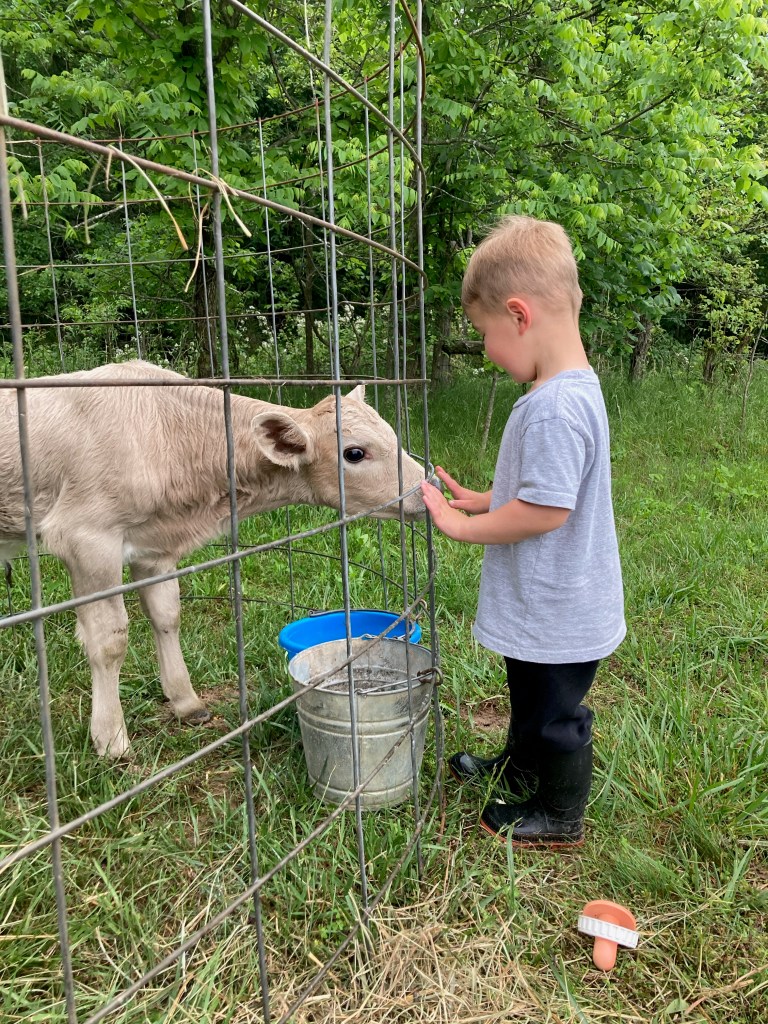
The pigs (Bacon, Pork Chop, and Sausage) have been a fun experiment for me. I grew up on a cattle farm and feel like I know a lot about cows, so that was old hat to me. Bethany had fun bottle feeding Clark, the calf, and Emytt enjoyed shoveling manure (Lord, please continue this). The pigs on the other hand, were all new. They are tough, eat literally anything, and eat way more than I calculated. As we pile all of our food scrap (especially from processing garden food) we are constantly amazed how much food we regularly throw away. And how much lighter our trash is now that we have pigs. Now our waste is going to feed our animals and nurture the life of the soil. Thank you poop.
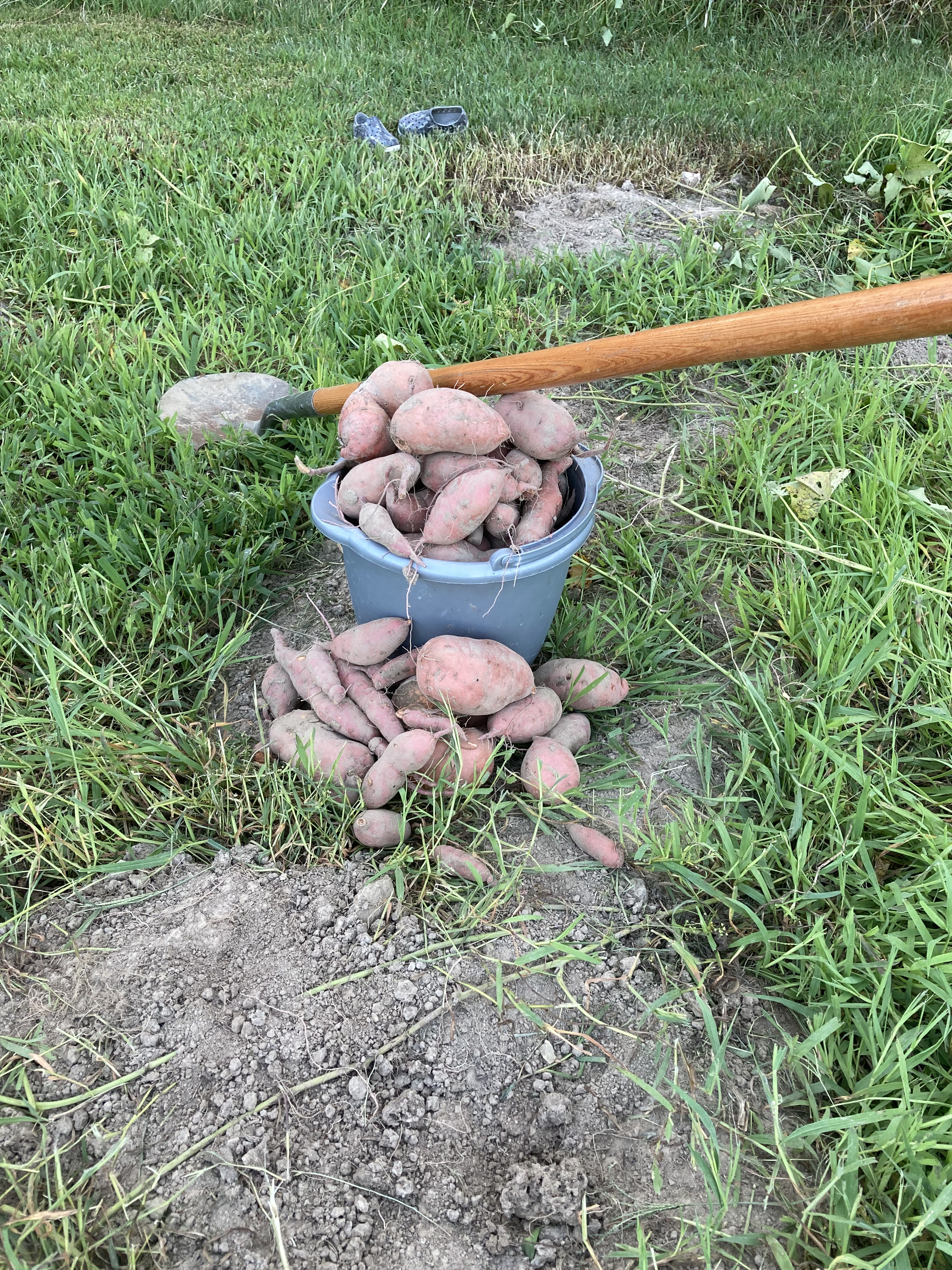
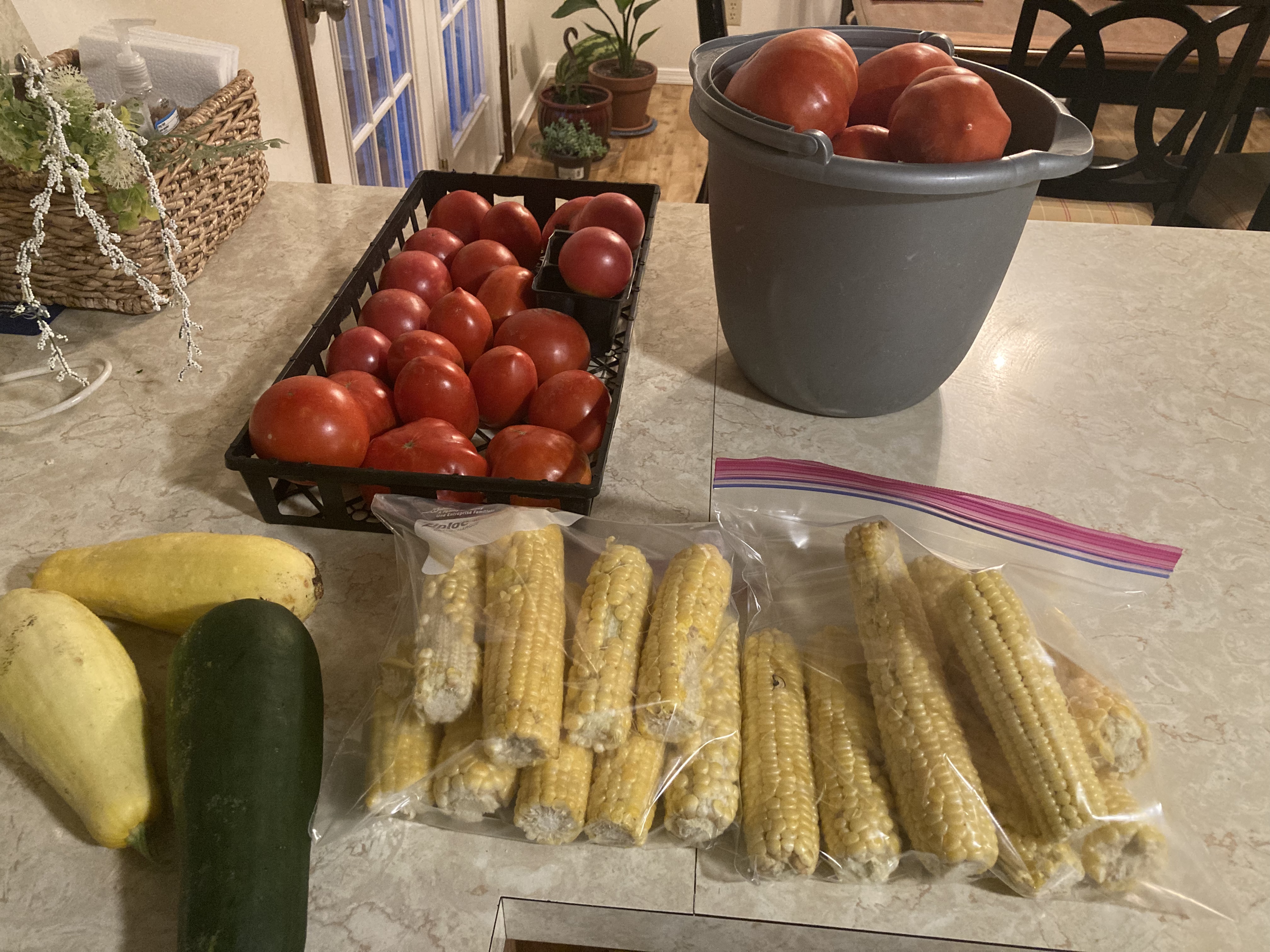
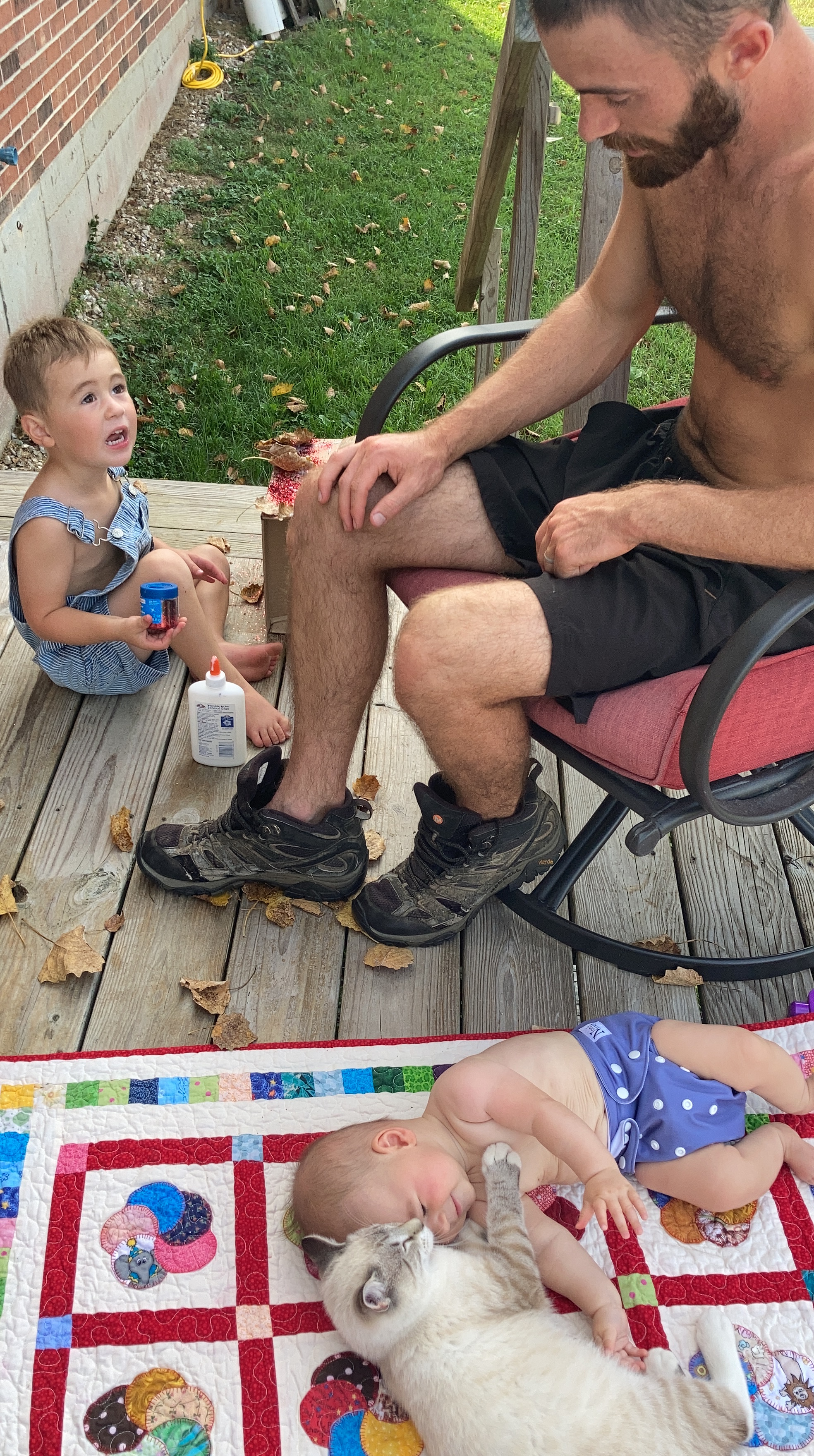
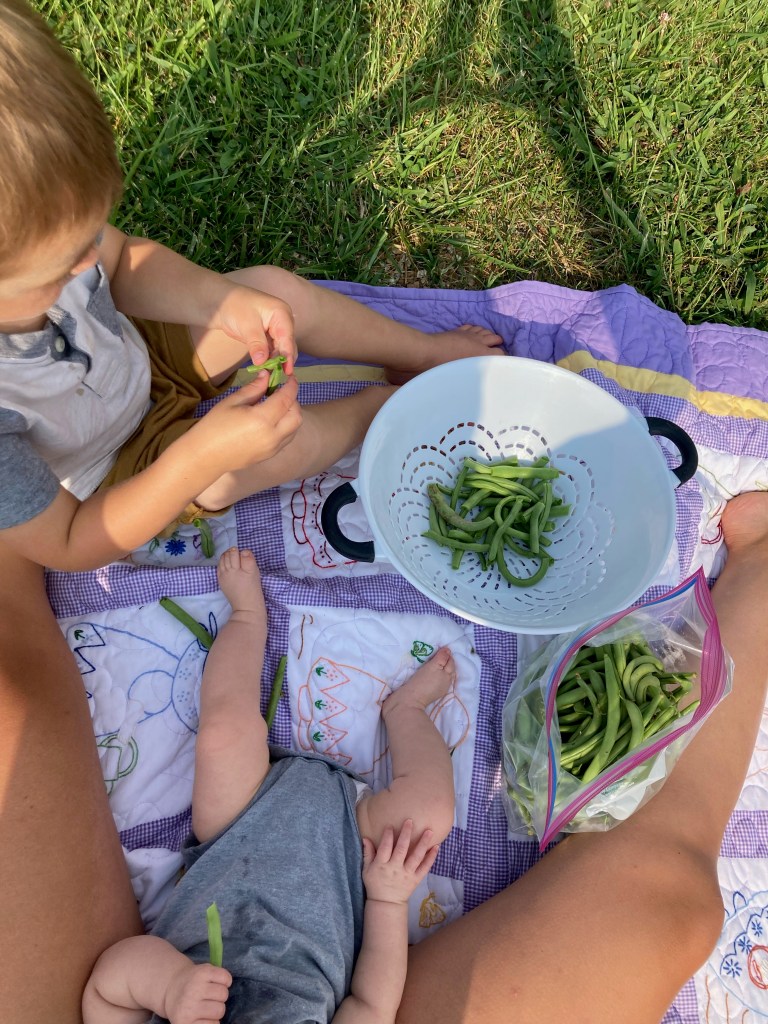
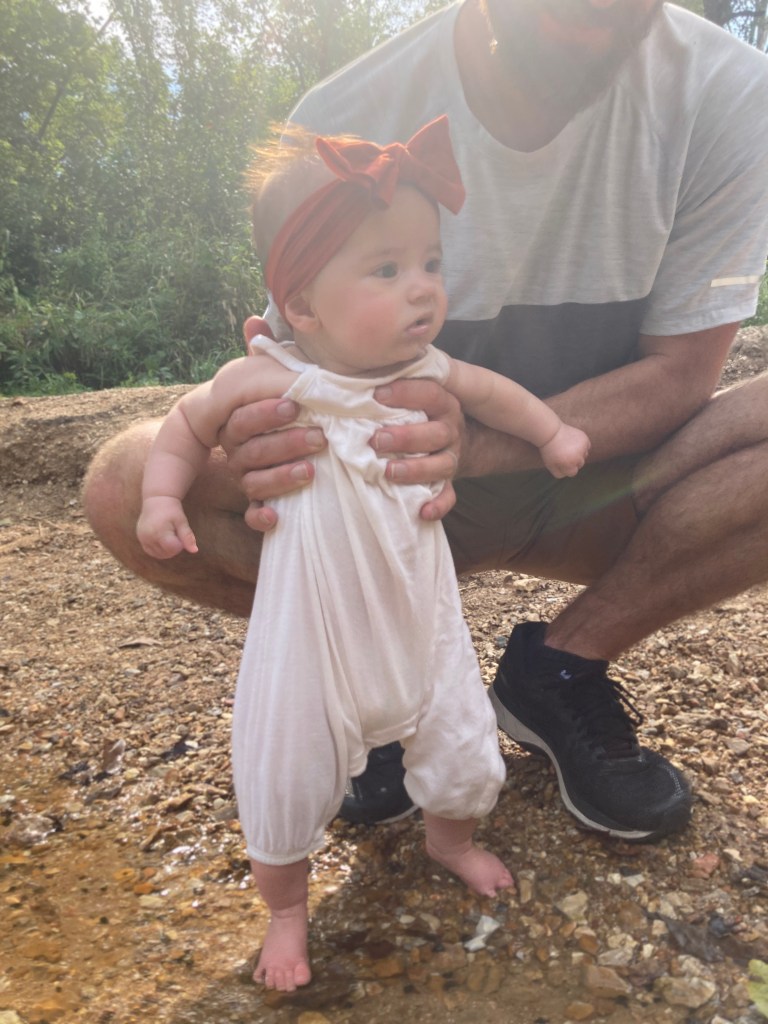
We welcomed our daughter into the world in April. We have been witness to her growth this year and already see some of her namesake coming through – tough, resilient, beautiful, persistent. Our hearts have grown and flourished as we welcomed a new person full of love and beauty to our family. She is a garden girl, spending lots of hours out there as we harvested and processed. She is loud, loves Emytt, expresses all her joy and “upsetness”, and makes us all smile often. My 40 tomato plants did great this year except for a few bouts with Tomato Hornworms. Sweet potatoes have been one of our favorite and surprising harvests. Best sweet potatoes ever. We are excited to see how our lives and certainly our second garden grow in 2022.

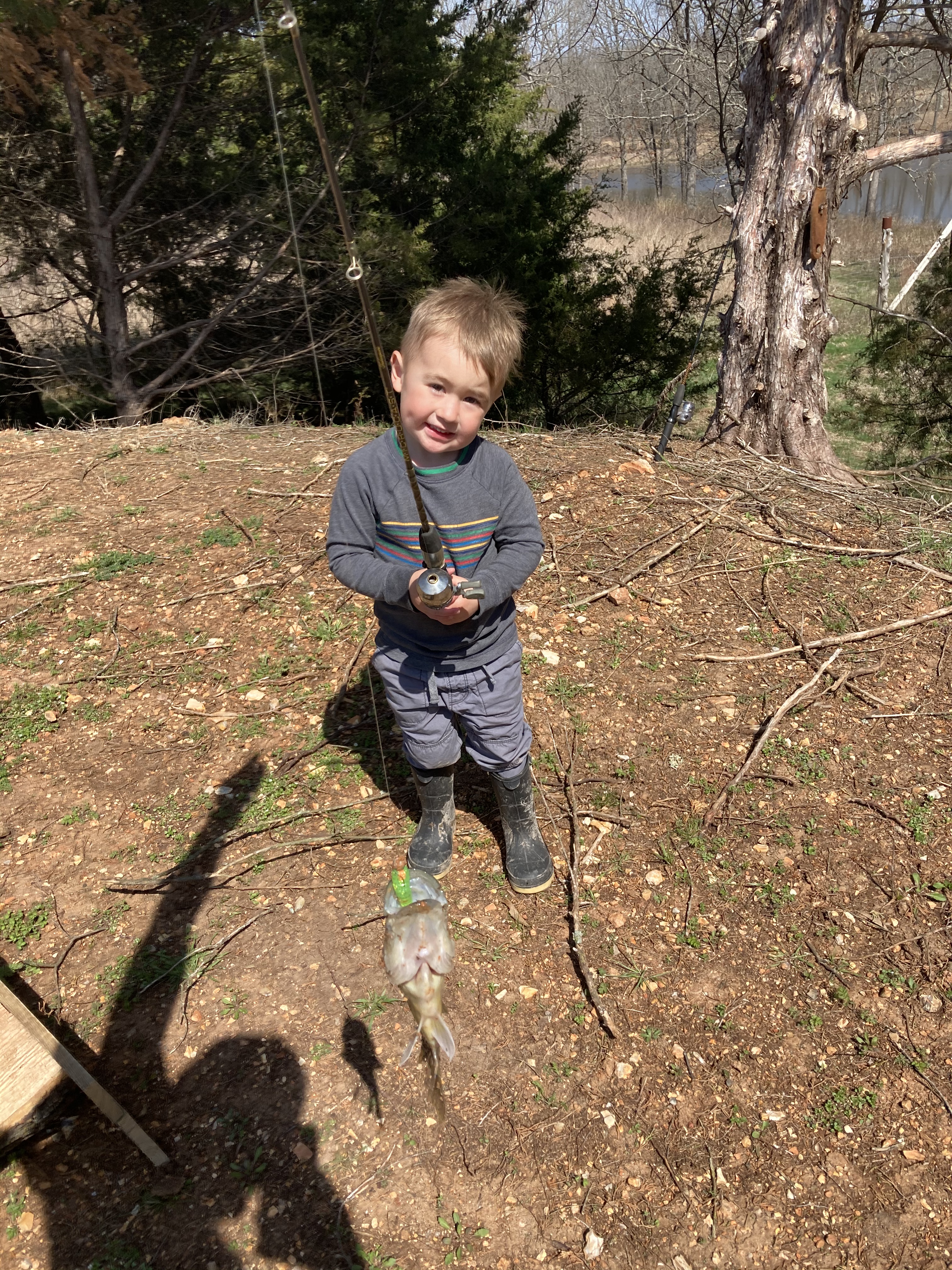
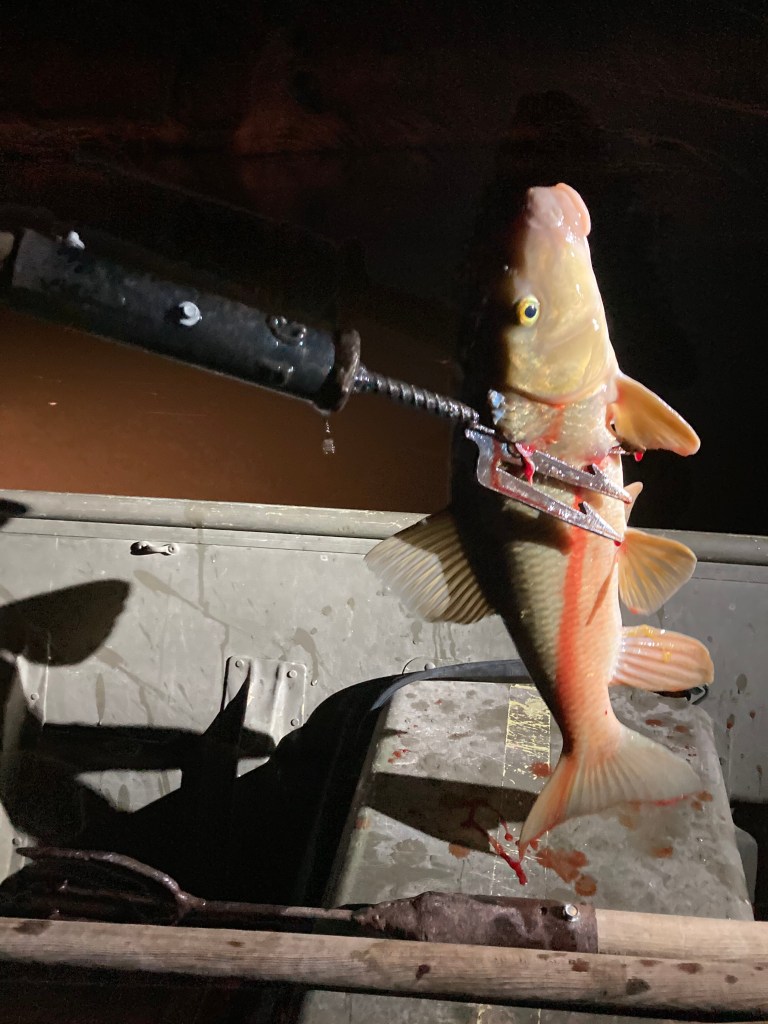
Emytt learned how to fish and caught his first one by himself this year. I caught a few good bass and loved any chance I could get on the water. Emytt loved being on the kayak too! We try to get outside as much as we can (boo Winter) and engage with the real world. We live super close to a number of awesome river spots! We also went gigging for suckers a few weeks ago, which Emytt thought was cool and Bethany actually liked. If you don’t know what gigging is, it is a very traditional Ozark sport where you spear bottom feeder fish. This is one of just a few I got. I am way out of practice.

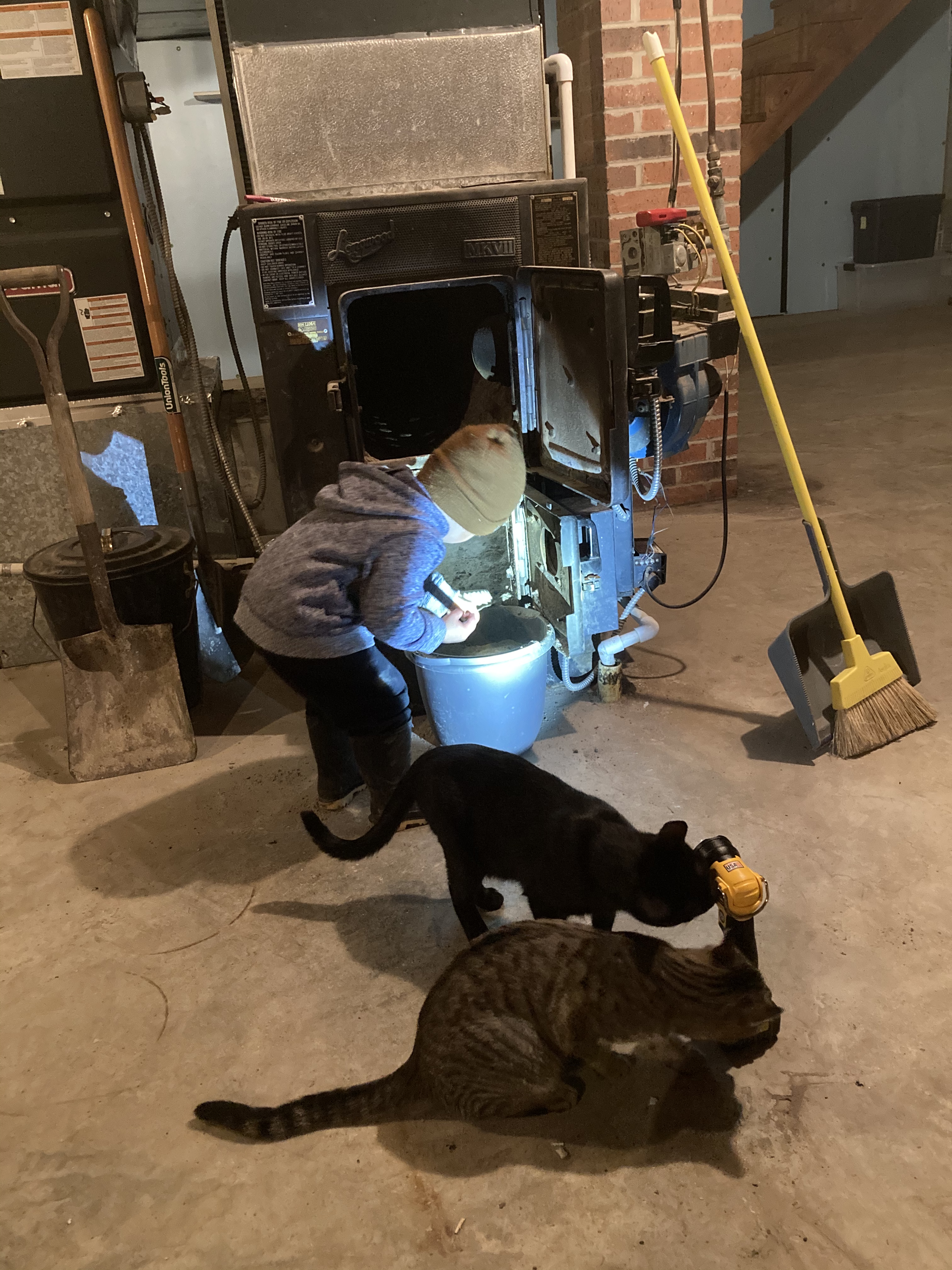
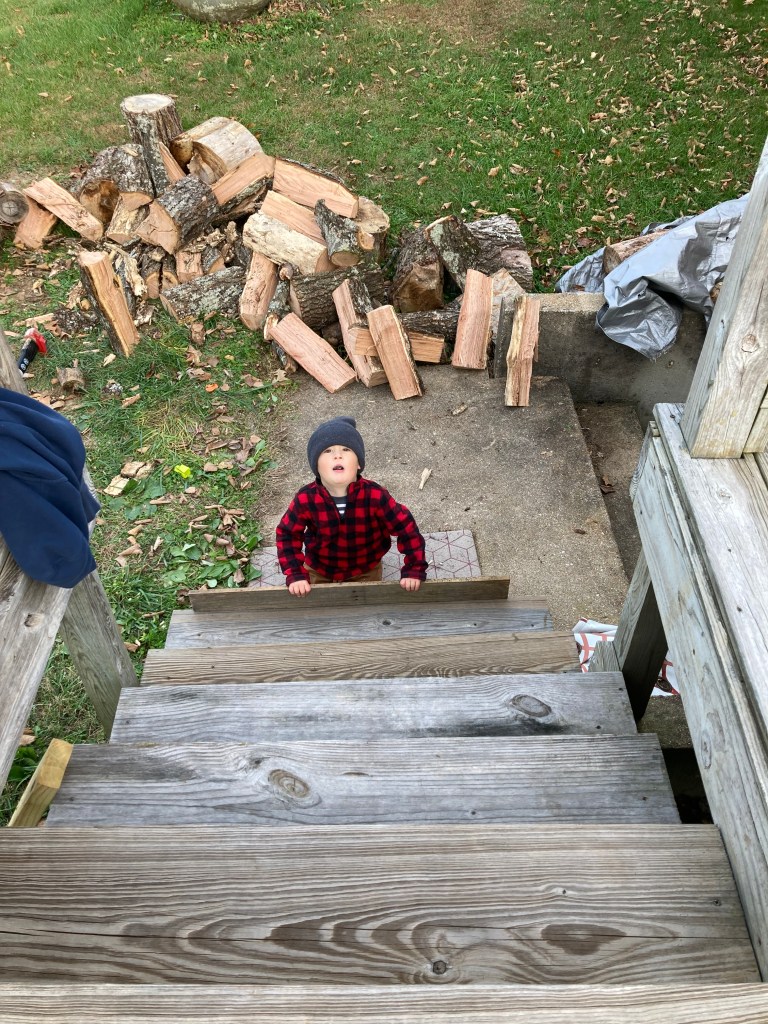
We moved Clark (the calf) to a neighbor’s pasture (thank you!) for him to finish growing out with more access to grass. I harvested a few deer this year and used a lot of ammunition to do it (again, out of practice). This is one I got near Richland and butchered in the church garage… Emytt loves deer meat, but was a little bored by all the work it took to process a deer. We also have a wood furnace, which we are putting to good use this winter. I LOVE cutting wood and Emytt usually loves to help.
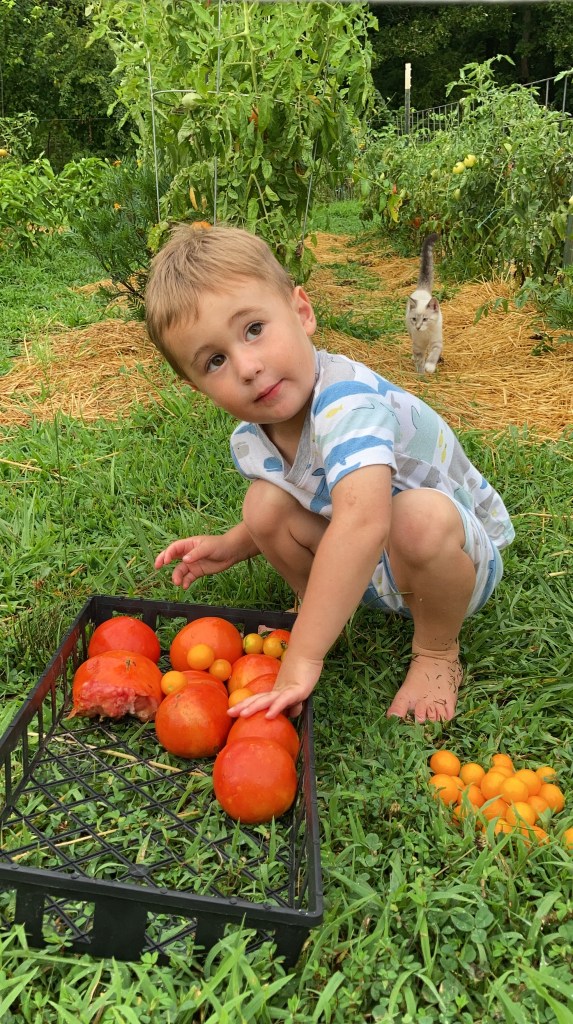
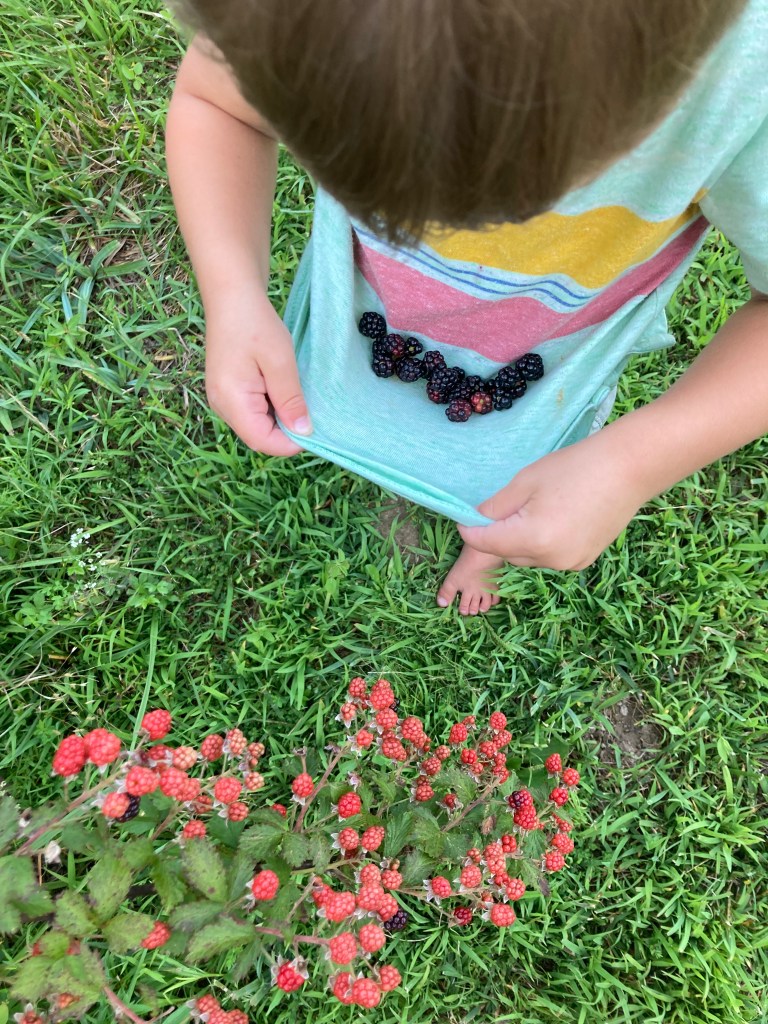
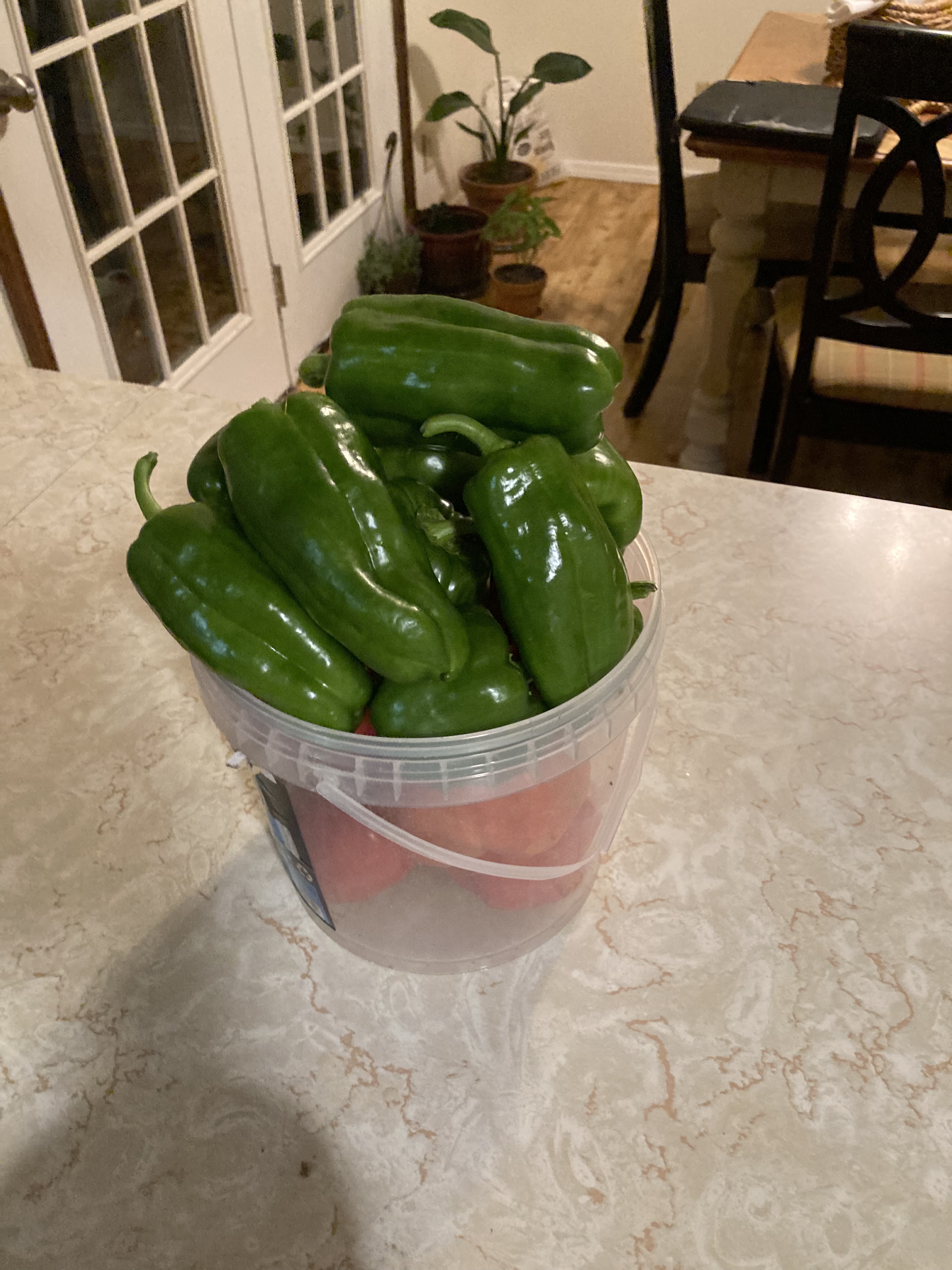
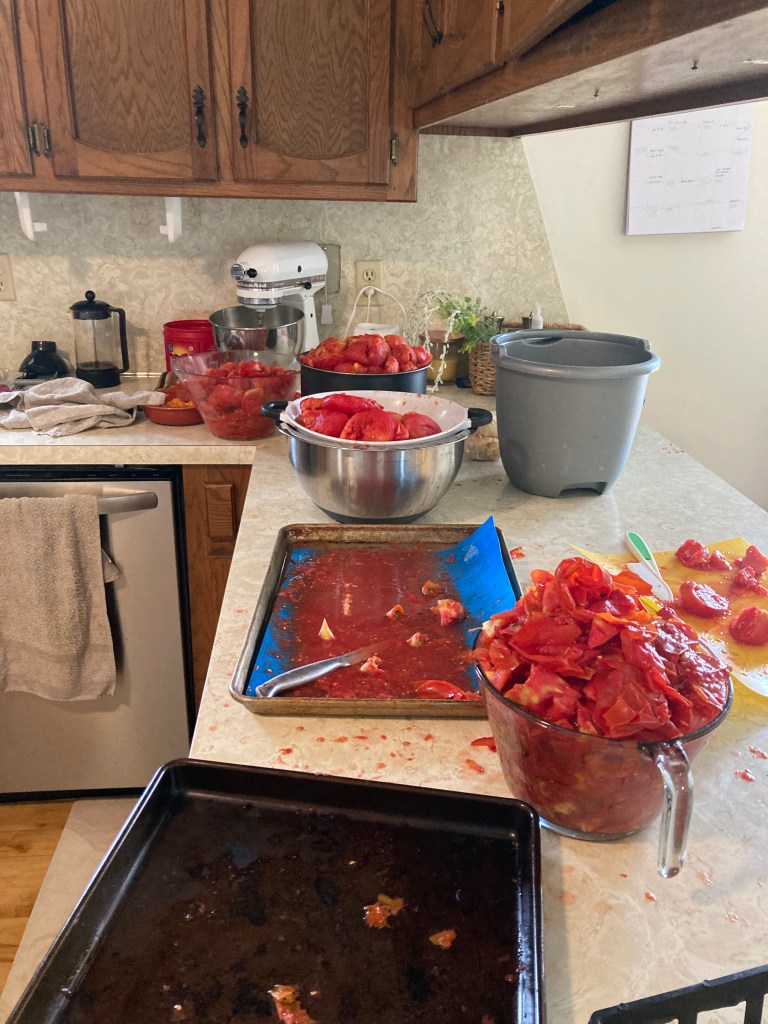
Lots of fun with lots of food! We were able to can and preserve our first food ever. It wasn’t enough for a whole winter, but we will get there!

I won’t show you a picture of our house during our two bouts of COVID. This is us with some glut of incredible food our church family brought during our first bout with COVID. Emytt had a great time eating all the food. I enjoyed doing house projects and Bethany (who was sick and pregnant) slept.

This was my COVID project for Ivy’s room. Used some shiplap and old pallet wood. It was fun!

We enjoyed some super fun holidays this year. Halloween, Thanksgiving, Christmas. We are grateful for all the kindness, generosity and support so many have given us this year. 2021 has been surprising. Full of joy, new life, and certainly it’s share of hardship and continuing to discern what God is up to in our lives and those around us.
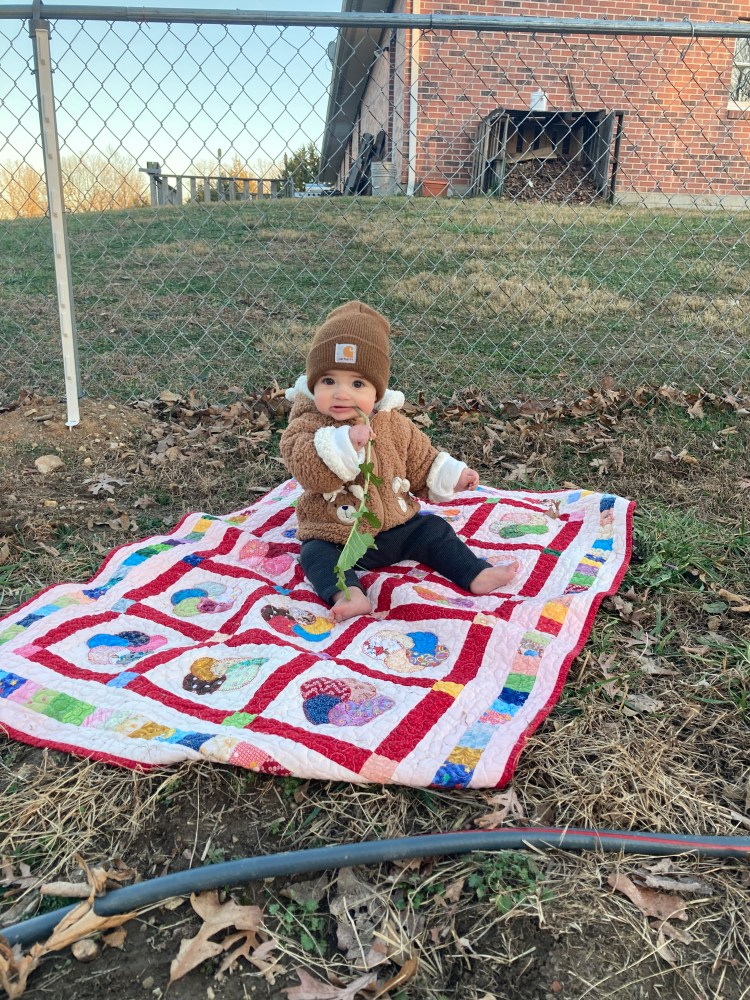
But it has been enough this year to be content with what feels somewhat small yet meaningful. Welcoming a new life to this world. Processing more and more who God is asking us to be. Leaning into healing and restorative rhythms with our garden, animals, and food.

We are still seeking in our own way to be connected to Reality and live a deep, full human life. Increasingly, this is leading us to be connected to our sources of life in the world all around us – land, soil, animals, food, and a community of people that value caring for these gifts of God too. As you enter a new year, may God bless you. May He give you discernment for your future, may the restlessness you feel find deep rest in God as you say yes to him and his leading. May you know the difference between settling for status quo and cultivating a deep contentment in the midst of ordinary life. May God give you a dream that makes you come alive and may you courageously pursue him and that dream every day. Even if it leads you back to your roots, back to the dirt. At least, that is my prayer for myself, my spouse, my children, for my church.

As Wendell Berry says, “Only by restoring the broken connections can we be healed. Connection is health. And what our society does its best to disguise from us is how ordinary, how commonly attainable, health is. We lose our health—and create profitable diseases and dependences—by failing to see the direct connections between living and eating, eating and working, working and loving.” Connection is health and 2021 has been a year of deeper connection. For that, we are grateful.


Featured

Grief and Desire

Grief is a universal human experience. To live on this earth (in this current era) as a human is to experience loss and walk through grief. And often this experience hits us unawares, surprises us, disrupts us, or more or less blind sides us. My own work as a pastor is often helping people understand some introductory truths about grief, God, and (like I have said before) just not saying something stupid haha. One of the surprising realities about grief is that we are often surprised by it. This universal human experience is not something we are prepared for. I believe that one reason for this is our relationship to desire. Are grief and desire connected? Yes, intimately. 

What you do with your desire is your spirituality.* Wait, maybe read that line again. Many of us have a spirituality of denial, repression, ignorance, and general distrust. Desire is an energy within, a longing, a hunger as a modern poet puts it (Florence and the Machine), and it moves us. Some desires can easily be acted upon and resolved; others are much more complex, nuanced, and unfulfilled. And what happens when you desire something that cannot be? When you desire something/someone/etc. that you “shouldn’t”, what do you do with the resulting tension? Tell that desire to go away? How did that work for you? What about when you desire something that is not possible? What do you do with the tension that desires creates in you? That tension is exactly the point where our faith is so important. This is the flash point where character is formed and specifically where we can learn to grieve loss. 

Let me give you two examples: You are up early in the morning and are just sitting down to a cup of light roast (none of that dark stuff) coffee, obviously Fair Trade, Sustainably Farmed, and it got to you by horseback (you should care for the environment, I am just making fun of coffee people while I can). You are about to open a good book and have about an hour till the two kids wake up. Glorious. Quiet. Space. When all of a sudden you hear the thud of two 3 year old feet hitting the floor, a pitter patter of feet, a doorknob squeaking open and a cute three year old with sleepy eyes walking out. For the sake of the example, let’s say you don’t make the child go back to bed for whatever reason and you lose that hour of hoped for solitude. You could say, “I didn’t need it anyways. I didn’t want a quiet morning.” You could remind yourself all these days will be gone so quickly. You could do a lot of things, but most of them in my own life are some way of ignoring, minimizing, and denying my desire to have an hour free. This is important. This is a trivial example, but notice the pattern – I minimize because if I didn’t I would feel more honestly the tension of wanting something that now won’t happen, at least not today. Desire creates in us the potential to also experience loss. When we repress or ignore desire we think we can lower that potential to endure loss (by not having a tension creating desire, we won’t have to deal with loss of not getting something). What we actually do is lower our capacity to hold tension and miss an opportunity to practice a simple spiritual practice. Naming a desire as good – even if it may not be met. I can say two things: I really wish I had an hour free and I am sad and upset I did not get it. I also love hanging out with my three year old. I can hold and handle that tension of an unmet desire, not by dismissing one for the other, but holding both.  

Let’s take a more painful example. You walked through the death of someone close to you. Grief a constant companion in your journey. And you wake up one day to a day full of plans. But early that morning you notice this lump in your throat. And you recognize that you wish, you desire to have a day with your loved one again. There is a lot of traditional trite clichés that parade around like they are biblical truth, “they are in a better place”, “think positively”, “gotta stay busy”, “don’t cry for me”. Many of those are true. But most of those also tend to try to minimize a genuine, honest desire in order to reduce tension (pain) that you experience. What we can recognize is that desire to have a day with your loved one, to speak with them again, to hold their hand is an honest desire and a good one. Could you welcome that desire in your life, even if it brings the pain of loss rushing up into the present moment? What tension does it cause you? A spiritual practice is to name (welcome) that desire even though it causes tension and pain in your life. The other option is to try to forget all about the one you love, to ignore the desire in order to minimize the pain. (Who would want that?) Desire thus creates tension in our lives. When we recognize that some of our desires won’t be met now, or maybe will never be met in the ways we would like them to, or maybe never be met until the restoration of all things; we have a couple options. 1) Do we minimize that desire? Ignore it? Have apathy toward our own hearts? Do we judge it, get rid of it, avoid it, try to forget it, outwork it, busy our lives to forget deep desire? I would respond, yea, most of us do. 2) Do we keep welcoming that desire as something real, honest, and perhaps even beautiful? Even though it creates more potential for loss? How do you nurture a desire that may never be met? At least not yet? I don’t know, I am still trying to figure it out. But I am recognizing that our instant gratification church culture, our ignorance of our own honest real desires and our habits of repressing that desire – is not creating in us practices, habits, and the capacity to grieve and grieve well. In other words, we can’t hold tension. Pain must be resolved now. Empathy is reduced to fixing the situation in my heart. This of course is expressed in communities as a lack of ability to hold pain, to journey alongside those in deep grief, an inability to empathize with the oppressed and hurting in our communities, and deep apathy. But what if these daily experiences of desire are a doorway into a deeper spiritual life? A more vibrant and robust life in general? And perhaps part of that journey is grief – a process and experience of welcoming, holding, and learning from tension. Unmet desire. Loss. 

The archetypal example of this for me is Jesus in the Garden of Gethsemane. Jesus is with the Father, hoping his community can walk with him through this tension he is feeling. The tension is I DO NOT WANT TO DO THIS. It is a loud, honest, blunt desire. I want “this cup to pass from me.” I think if the three disciples were awake (come on guys!) and were modern day evangelicals they would respond to Jesus’ honest desire with a large amount of discomfort and some clichés of their own. “Jesus, you can’t say that! You’re the Messiah” “God doesn’t want to hear about your emotions.” (said in a monotone of course) “Think positively Jesus! I heard the nails are greased first. Roman soldiers aren’t that bad…” “Just remember the end result, it will all be worth it in the end.” “I know how you are feeling – ______________ insert story here” Obviously, Jesus did not need any of those good-natured empty words and perhaps it was better the disciples were asleep. In fact, Jesus shares this real honest desire and recognizes that space (honest, real, desire) is exactly where the Father meets him. He is able to name a real honest desire that in effect creates tension. He is bringing into reality the deep pain approaching, he is feeling betrayal, loss, pain, approaching death. And Jesus shows us that honestly sharing real desires is one aspect of spirituality and an essential part of grief. No wonder we can’t grieve when we have been trained to repress or ignore all our real desires. Now some people’s beef with this is that many of us have “bad” desires and we should not act on all of them.** We certainly should not act on all our desires, as in fulfill them. But I would argue you do act on all your desires, especially the ignored, repressed, and bad desires. They come out in bitterness, insecurity, inability to listen to others, and a deep lack of connection to your real self and to the real God wanting to be with the real you. But notice in this passage does Jesus act on this desire? He honestly shares it, and in that deep honesty, the tension it creates, he is able to hold on to his faith in the love and character of God. Grief is nothing less. Desire led to a deep experience of God and ultimately to Jesus saying yes to the will of God for his life even though it led through immense pain. Welcoming and naming desire was part of grief for Jesus. And I would argue that practice had prepared him for this ultimate test – living in the tension of life and death. Love and loss. If your spirituality cannot help you hold this fundamental tension, it’s not much of a spirituality. Deep character is formed in the dark space between what we want and what is. Deep character is formed in the dark space of who you really are and who God is inviting us to be. And deep character is formed as we navigate the tensions, the suspense, the incompleteness our real desires create for us. God is in those spaces. And quick resolution is not the goal. Deep transformation is. Minimizing desire resolves tension and reduces your humanity. Ignoring your real desires may lessen your experience of grief and it will also disconnect you from reality. To walk through grief is to be aware of our unmet desires, the tension that creates for us, and be on the journey of how to hold that with God and community. 

I read the other day that the true measure of a Christian is found when we do not get what we want. If that is the case, then the entire Church, especially the evangelical church could learn from those that grieve and lament. Those living in real tension that are able to name it like Jesus.

If you are walking through a season of grief and loss, perhaps you don’t need less desire. Perhaps you don’t need more positive thinking. Perhaps you need to share your honest desires and begin to learn how to hold that tension. With God. It is not easy. At least for me. But meaningful human life has never been easy. For Jesus, tension moved him toward God. To say something honest and true. Toward a recognition of his finitude and ultimately dependence on God. So, if you could say something honest, perhaps to God today, what would it be? And how might God meet you right there today just as you are? 

*“There is within us a fundamental dis-ease, an unquenchable fire that renders us incapable, in this life, of ever coming to full peace. This desire lies at the center of our lives, in the marrow of our bones, and in the deep recesses of the soul. At the heart of all great literature, poetry, art, philosophy, psychology, and religion lies the naming and analyzing of this desire. Spirituality is, ultimately, about what we do with that desire. What we do with our longings, both in terms of handling the pain and the hope they bring us, that is our spirituality . . . Augustine says: ‘You have made us for yourself, Lord, and our hearts are restless until they rest in you.’ Spirituality is about what we do with our unrest.” – The Holy Longing by Ronald Rolheiser

** The biblical story on desire is deep and nuanced. It recognizes our original creation as good, the twisting or marring of desire, and the restoration possible in Jesus. Everyone in the world does something with their desire, has a certain way of welcoming or ignoring it, and all of us have to learn how to navigate our desires. For a Christian the goal is deep love of God and the ability to love neighbor. To love yourself too. You cannot repress, ignore, or minimize all desire and expect to reap a loving heart. The challenge we face is not getting rid of desire, but properly directing our desire to the only one, God, possibly able to fulfill the deepest desires we have, to be unconditionally loved and welcomed. There are certain desires that lead to sin, just like if Jesus had pridefully asserted and acted on his own desire that he not go to the cross, it would have been sin. But the honest sharing with God of what he was feeling – not sin. In fact, it led to a surrendering of his will into the hands of his Good Father. That is called trust. And in the midst of grief, that experience happened through an honest recognition of desire experienced painfully as loss.

Featured

Justice Family Update: 2020 Recap

Big Moves to Small Town (Yep, that’s our new pad!)

Whoa. What a year! Trying to summarize our experience of 2020 is a little like 2020 itself: difficult.

Remember January 2020? Cold, snowy, icy, but normal. If you can remember back that far, Bethany and I were busy discerning whether or not to plant a campus with Restore Community Church. She began her last semester of clinicals, crushing nursing school! Late February found us at the warm beaches of Orlando for the Exponential Conference. I felt a clear desire to continue in ministry and wanted this to take the form of planting a campus with Restore. My “clarity” helped solidify Bethany’s uncertainty for this move for our family. As we pressed into this tension (read: Landon learning how to listen to his wife), COVID-19 really began to change life in the nation. During this time of solitude, I read books on the process of discernment. To make a long story short, I realized that I was trying to fit myself into an amazing role and opportunity with a great team – but a role and context that was not a good fit for me or some of the most deeply-held values I have. Through the coaching of Restore, the kindness of supporters, counseling, the patient spiritual friends and books I was conversing with, I became more aware of who I am, and began to accept myself more fully than ever before in my life. Bethany already knew (of course) this true identity and helped me own up to it. For that reason, along with COVID-19 making the future of a campus plant more precarious, we chose to end our time at Restore. 

Fast forward a few months and Bethany and I were navigating (read: hobbling through) life together with her job on the night shift during a pandemic, and figuring out how to make ends meet if I was not working full-time in ministry. Eventually Bethany decided to end her time at KU Med after a few months. We then took a few weeks to discern what would be next. I knew. 

You see, me owning more of myself was, in reality, a confession of fashion. (Stay with me.) Down on myself one day, frustrated with a lack of integration in my life, and hopeful for our family to flourish and not just make money, I told Bethany that I feel most like myself when I put on a pair of work jeans and a flannel shirt. What I was really saying is that I like to work. Not just with my head or with people, but with my hands. I like to care for land, create things, grow, cultivate, care for, and nurture plants, animals, and even people to their full potential. No doubt, this is the farm boy in me. I came to realize that when I said things like, “In an ideal world, I would farm and be a pastor,” I could choose that reality. So, all through the summer, I dreamt of places we could buy land outside the city. Land that we could care for, steward, be responsible for, and a context within which I could teach these postures of care to our children. But even in that my heart kept turning to my hometown. So, I continued talking to close friends, I journaled, I worked, and I thought I would wait years for this dream to become reality! And then, well like this year, unprecedented things happen. And we moved to small town Missouri. 

I said yes to a Senior Pastor position at First Christian Church in Richland, MO and we moved in late November. Bethany began working as an RN at a local hospital. This move is prompted by many things that would take pages to state. The top three might be: 

  1. I love (most of) the work of pastoral ministry, especially in the context of a small-town. I love the small-town church reality of long-lived histories, dense family networks, and the many thrifty, hard-working people you find still living on the land or in the often declining small-towns across America. I love the challenge of discovering, cultivating, and nurturing a way of life that helps people, churches, and communities flourish.
  2. We want to take active part in God’s first order to humankind: to care for the earth. We want to live rooted in a real place and take active ownership of land and community, real responsibility for a particular place and a particular people. We choose this particular place and people, resisting the general inclination to be dislocated from people and place, as well as the disembodiment of much modern work or life. (Think endless Zoom meetings during COVID.) 
  3. We desire to learn about the real sources of our life and be more and more connected to reality. We want to be connected to what is real, not manufactured or disposable. Relationships, neighbors, good work, gardening, communities, honest local business, all these are ways to be tangibly rooted in reality. Our current political climate helps us overlook the common ground that binds us together as human. Literally the ground we share, the food we grow, the work we do to build culture and create a life for us and generations to come. We desire to be healthy, whole, and integrated. This includes the food we eat and the growing practices employed. So, we have plans for a big garden to help us connect more and more to reality and our own food system. We are continuing to learn about sustainable agriculture and look forward to other opportunities in the future to live out these values. And we are still dreaming about living on our own land someday, perhaps with a small community of friends, practicing spiritual rhythms and embodied experiences (think: farming and gardening), and cherishing the life and culture those commitments could form in us. 

Currently, we are settling into our new reality. I am learning the contours and nature of the church I have the privilege to lead and serve. Bethany is readjusting to 12 hour shifts with a rather pregnant body (pray for her!). Emytt is a champ, adapting well to a new environment and going from having two parents at home most days to having two parents work full time. My grandma is wonderful lady who cares well for him when we both work. We are about 40 minutes from my hometown, so I also have the chance to help my dad on the farm or with his businesses. 

We continue to dream about what the future may hold, particularly around being intimately involved in growing our own food, building a community of people that steward land and their lives well (both deeply spiritual practices), and  how to embody an alternative vision of flourishing in small-town America. Please pray for us as we continue to dream. Thank you for your partnership along the way. Let me know how your 2020 was, how we can pray for you, and if you need a refreshing break out in the beautiful nature of Missouri, come visit us!

*If you have resources about or friends involved in sustainable or regenerative agriculture, please share! If you have ever thought, “I want to have a little homestead,” or “I want to cultivate quality food and nurture health in my people and community,” or “I want to live a more holistic, embodied life,” or you are just plain curious, let us know! Tell us about your dreams, your hopes, your conversation partners, your questions. Stay healthy out there, friends.

Featured

Top 10 Books in 2020

Top 10 Books of 2020:
10) Whatever You Do: Six Foundations for an Integrated Life – Ed. Luke Bobo This past year I had the distinct blessing of being connected to an organization called Made to Flourish. This organization empowers pastors and church to integrate faith, work, and economic wisdom for the flourishing of their communities. Work is something all of us do, much of our time, yet we often hear very little about it from our religious communities. The book above is a short little compilation of six theological essays on the six core beliefs of Made to Flourish. You can read more about those six core foundations on their website. Overall, the book is inspiring, concise, and realistically hopeful. I recommend it to you and Made to Flourish as a great resource for you! If you are a pastor, you can sign up to be part of Made To Flourish and receive this book for FREE. (I am not getting paid to advertise either haha. Just love the ministry.)


9) Analog Church – Jay Kim This is an excellent book. Thank you Jay for writing something that is thoughtful, clear, compelling, and extremely accessible for anyone in the church. The basic thought of the book is that while digital can inform (and be incredibly useful) analog relationships is where transformation happens. Writing from the context of San Francisco and being a part of numerous successful and “cool” churches Kim is a great voice to remind the church of our basic calling. This book is a must-read for church leaders in 2020 as you navigate the new realities of COVID-19. It will not answer all the questions, but will remind us of the most important questions to be asking.


8) The Shallows – Nicholas Carr I love this book. The subtitle, “What the Internet is Doing to Our Brains”, tells you all you need to know. Accessible, fun, clear, and supported with lots of anecdotes and scientific studies, this book will seriously bother you. Somewhat along the vein of the recent docu-film “The Social Dilemma”, this book is a broader look at the internet as a whole, the history of intellectual technologies, and anticipates eerily the context of 2020 writing from 2010. Carr is a brilliant author and writer and whether you agree with him, it is an immensely enjoyable read. And scary.


7) Technopoly – Neil Postman I love Neil Postman. He is a clear writer and makes the history and philosophy accessible to anyone. This is the book I would recommend if you are just wading into what technology is, how we relate to it, and the questions that Christians could (should) be asking. Postman is a biting and insightful cultural critic. I don’t always agree with all of his conclusions, but his assessment of our current situation from over 20 years ago is still frighteningly accurate.


6) The Character of Contemporary Life – Albert Borgmann I have never been very interested in philosophy. I thought my growing up on a farm and being a very concrete (not abstract) person disqualified me from what I thought was ethereal theorizing. Borgmann though has opened the door for me into the philosophical world. (Do I understand most of it? No…) This book attempts to stake out the contours of contemporary society (in the 80’s) and the relationship to technology. Borgmann identifies what he calls the device paradigm. To put it too simply, the device paradigm is the operating paradigm visible in each instance of modern technology. The paradigm itself is that the technology device secures a feature or good and makes it absolutely available. So rather than building a fire, an electric furnace and thermostat provides mere warmth. The procuring of the good disburdens the person for “more time” and at the same time also makes more and more inaccessible the processes behind the securing of the commodity. In other words, no one understands how all of the process of the furnace, thermostat, etc. Even if you are an HVAC person, you don’t build the thermostat. Whereas, pretty much anybody could build a fire and understand the benefits and risks of doing so. All of that to say, the device paradigm treats the world like a commodity that can be secured and made available, the person is cut off from rich engagement with the world of things and people, reduced to dealing with manufactured objects and commodities. We increasingly give over engagement with the real world for the available entertainments or commodities that our technology can secure for us. We become more and more attached to disposable reality (think stereo or Spotify) rather than commanding reality (think playing a violin with friends) and somehow call it progress because what we want is available with no burden to us. I challenge you to wade through this book if you are interested at all. Or call me and I will give you the best recap I can.


5) The Unsettling of America – Wendell Berry Wendell Berry is my hero. He is an idealist, a scholar, a thinker, a writer, and a faithful husband, farmer, and friend. I love all the seeming contradictions bundled up in one person. This book is still unfortunately just as true and necessary when Berry wrote it in the 70’s. Writing from his firm local knowledge and wisdom he critiques and at times castigates the prevailing agricultural policy and practice of America. The cultural critique is true though beyond the agricultural realm and is extremely relevant to churches in my estimation, particularly the chapter, “The Body and the Earth.” If you like to farm, like to think, and want to be good stewards of the body, life, and earth God has entrusted to you – read this book. And if you don’t want any of that, PLEASE read this book.


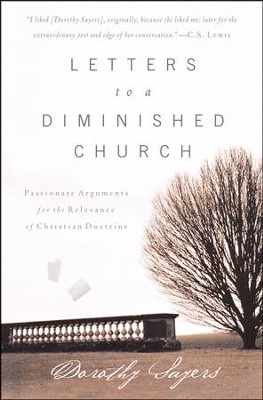
4) Letters to a Diminished Church – Dorothy Sayers Sayers is a beautiful writer. She instantiates in this work the point of Gay above that basic Christian convictions are in short supply and could give us direction and wisdom of how to navigate our cultural moment. Sayers, writing much of this in the shadow of WWII, passionately displays how basic Christian doctrine would be revolutionary if practiced. The essay on work in this book changed my life. If you want a fun, but thoughtful read, do it!


3) Let Your Life Speak – Parker Palmer This book began the real, honest journey that the other books on this list supplemented and supported. I discovered a key part of myself that I had been ignoring for a long time through reading this book. This, along with “Desiring the Will of God” and the teaching of Ruth Haley Barton, totally reoriented my view of “the will of God.” Palmer says, “Reality – including one’s own – is divine, to be not defied, but honored.” He says this in the context of honoring your own nature. Recognizing who you are and what it will take to be whole, rather than simply striving for an external ought or should. If God really made each of us and we bear the divine image, then my life has character, texture, beauty, and goodness. This book gave me language and courage to pursue that life. A short, easy read in the spiritual formation vein.


2) Modern Technology and the Human Future – Craig M. Gay Gay presents a compelling look at the current state of technology and human relations. He presents an accessible, while academic look at the history, development, and ways forward. One of the best works and current day application of the Incarnation I have ever read. If you are unused to academic works, this will be a challenge, but well worth it. If you are curious how we are being formed as humans through our reliance on technology, especially in the midst of COVID-19, this books is for you. My favorite quotes are, “ Our modern technological civilization is thus characterized by the ‘quest for continually improved means to carelessly examined ends.’” (Gay quoting Merton in the foreword to Technological Society by Ellul). This quote for me is a harsh indictment of our current church reality in America. The second quote is the basic thrust of the book, “Our central contention is that the modern world’s suicidal desire is most active – and indeed most obvious – in modern technology’s drive to diminish ordinary embodied human being. What this means is that Christians must be prepared to defend, not simply human persons and the possibilities of genuinely humane and personal action, but the deeply personal quality of reality itself.”


1) Jayber Crow – Wendell Berry This book absolutely destroyed me in the best possible ways. Berry paints his vivid characters and scenes rich with his own thoughts and ideals specifically as it relates to place, responsibility, faithfulness, cultural memory, love, loss. This book reawakened my love for my own place and gave me the courage to pursue it. I cried multiple times in the reading – which is saying something. It is a long novel, but well worth the read.

Books in 2020 – Chronological Order:
The Enneagram: A Christian Perspective – R​ichard Rohr
The Gift of Being Yourself – David Benner
(Then COVID started…) 
The Body Keeps the Score – Bessel Van Der Kolk
Desiring the Will of God – David Benner
The Left Behind – Robert Wuthnow
A Big Gospel in Small Places – Stephen Witmer
The Dark Night of the Soul – Gerald May
Let Your Life Speak – Parker Palmer
Analog Church – Jay Kim
Jayber Crow – Wendell Berry
The Economics of Neighborly Love – Tom Nelson
Whatever You Do: Six Foundations for an Integrated Life – Ed. Luke Bobo
Letters to a Diminished Church – Dorothy Sayers
Power Failure – Albert Borgmann
The Shallows – Nicholas Carr
A Testament of Devotion – Thomas R. Kelly
The Unsettling of America – Wendell Berry
Nathan Coulter – Wendell Berry
The Enneagram of Belonging – Christopher Heuertz
Alone Together – Sherry Turkle
Technological Society – Jacques Ellul
Modern Technology and the Human Future – Craig M. Gay
Technopoly – Neil Postman
Culture Making – Andy Crouch
The Tech-Wise Family (still unfinished) – Andy Crouch
Hannah Coulter – Wendell Berry
Remembering – Wendell Berry
A World Lost – Wendell Berry
The Memory of Old Jack – Wendell Berry
Technopoly – Neil Postman
A Brave New World – Aldoux Huxley
The Abolition of Man – C.S. Lewis
The Character of Contemporary Life – Albert Borgmann
The Revolt of the Public – Martin Gurri
The End of Education – Neil Postman
After Virtue – Alasdair MacIntyre
Utopia is Creepy – Nicholas Carr
Chronicles of Narnia – C.S. Lewis
Folks, this Ain’t Normal – Joel Salatin
Rhythm of War – Brandon Sanderson
Featured

Tech as JUST a Tool: #3 Baptizing Assumptions (Post #6)

Assumption 3: Baptizing Cognitive Frameworks

Baptizing your computer might kill you. I often hear people say, “culture is not our enemy” (we being the church in this statement) but that we do need to engage, redeem, celebrate, and even baptize culture. This statement is, on the one hand, a refreshing reprieve from a generation or two ago that spent significant energy decrying… dancing for example… So I am on the whole in line with most of the statement. Culture is not our enemy, in fact, we are part of culture. It is a dynamic relationship and at this point in my life I am largely a product of my global, national, regional, and especially local and familial culture(s). As such, I am learning to have gratitude and celebrate aspects of that cultural inheritance, but also to critically interrogate other aspects that 1) do not reflect core Christian commitments and 2) that reduce humanity and the possibility of a flourishing life together.

One of the assumptions isolated in the “baptizing culture” statement is that anything “out there” in the world can be utilized in the church as long as it is “submitted to Christ.” I remember hearing things like this in high school in regards to digital media. So, use the wonders of Hollywood and television to produce explicit Christian content (e.g. those of you who watched the Passion of the Christ in youth group). The difficulty arises when you start thinking of the different levels of what it would mean to baptize a cultural device or practice. It seems to me that the prevailing thoughts, views, and paradigms that vivify those devices or cultural practices and make them attractive to us are just as important to think through. So, one could ask, what does sitting in front of screen for a few hours do to your body? This is not to diminish this as amazing technology or wondrous opportunity for Jesus (I cried for like an hour the first time I watched The Passion during a lock-in…); it is to ask questions deeper than simply adopting cultural practices and assuming they are Christian because “christians” have begun to use them. The assumptions and cognitive frameworks behind the cultural practice or device not only continue to exert formative power through the device’s existence, but also through its continued use. Not to mention that much of our digital technology has its own goals and ends – often distraction or monetization through manipulation. Check out the recent documentary, The Social Dilemma, for more thoughts on this point.

So, easy example, online church. Do we now have the capacity to “meet online and worship online”? Depending on how you define those words, then yes to some extent we can. Most then assume we should. Assuming the use of the tool is for Christian purposes, that is enough to sanctify it. However, and again we come back to means and ends, what if your means is based on ways of thinking and living utterly opposed to your end? Can you really be the church via an online stream? Some argue that because of God’s transcendence he can totally do that. Certainly, God can do what he wants. The question though is more about what is normative for Christians in embodying the Gospel and experiencing God. If we try to baptize the tool we find ourselves caught in a tangle of opposing cognitive frameworks, what I call power cords for this metaphor haha. Digital technology has assumptions about what a human is, what the good life is, and explicit profit ends for what it offers. This is the power that vivifies the various devices we use, which are not bad but can easily and subtly, but nonetheless real, connect us to these views of reality that oppose the vivifying truths of Christianity. The opposition between the two is not the problem. The issue is more around forgetting that there is opposition at some level between various cognitive frameworks. As Paul says, what does light have to do with darkness. 

The promise to experience a full human experience via a screen betrays a materialistic view not only of the universe, but of humans. And it maybe isn’t pertinent for the church to baptize a view of the universe as atomistic, void of meaning, simply units available for use with no inherent dignity until I assign them value by using them for my purposes. The materialistic and mechanistic view of the universe is counter to actual ordinary human flourishing. As well as all of the rest of creation. And I am concerned that many churches in trying to baptize the most popular cultural practices (relevance) have in fact adopted accidentally(?) many of the cognitive frameworks behind those cultural practices. Jesus, however, is quite clear about his value of ordinary embodied life – the incarnation. Jesus is clear about how all things came to be because of God and through him – therefore the universe has inherent value. Jesus is incredibly clear on what the good life is and it is at odds with a way of life that consumes manufactured trivialities ad infinitum in devotion to economic idols/ideals. These cultural beliefs don’t need to be baptized – they need to be identified (in much, much, much more clear and intelligent ways than I have done here) challenged, and resisted at every opportunity with deep knowledge of core Christian commitments and the courage and wisdom to see our lives integrated through focal practices along these commitments to embody Jesus for the sake of the world.

Featured

Tech is JUST a Tool: What’s unique about tech? (Post #4)

What is a tool? According to Wikipedia (truth incarnate), “A tool is an object used to extend the ability of an individual to modify features of the surrounding environment.” Humans, of course, are not the only animals able to use tools (use might be a strong word for what some of us do with tools), but we are the only species able to use tools to create other tools. The capacity to create tools and use them to shape the world – literally shaped, reshaped, and formed society as we know it today. In many ways, human history is a history of the tools we have created, adopted, used, and then discarded for a new tool along the way. I immediately think of the history of weapons and the various ways these tools have reshaped hunting, warfare, or society through their availability and use. Tools extend our capacities to shape the world – like a spear or hammer. 

Technology as a tool has some unique characteristics. Andy Crouch, writing in Tech-Wise Family, thinks what makes technology as tool NEW is two things: 1) it works and 2) it is everywhere. To take the latter first, “tools in human history were limited. They were in specific places” or arenas. In other words, most tools were limited to a certain context or place, like a hoe for your garden. Today tech is increasingly and quickly filling every arena of life or reshaping that arena of life to fit into the tech world. (More on that from Jacque Ellul) Second, tools helped humans work, but now tech largely works on its own. Tools took skill and practice while technology’s almost divine promise is ease & convenience of use. It also simply works on its own – think of a robotic vacuum. 

This “easy everywhere” is characteristic of modern technology and separates it from the nature of previous simple or even complex tools. Much could be said from Crouch’s work (it is great), but it is enough to note now while digital technology resembles tools in important ways – it also has some unique characteristics that set it apart. This liminal space of difference is often overlooked as the Church navigates through our cultural moment of media saturation, device proliferation, and Covid-19. Legitimately, the Church has seen technology as a tool to help bridge this current challenge. Just as legitimately, continued adoption and usage of digital tech in the church needs attention, interrogation, and collective imagination for a responsible ethic with digital technology. And if not, we will undoubtedly create a new “discipleship challenge” at least as large as our current uncritical embrace of a “digital solution.” So, next post we will start an interrogation.  

Featured

Tech is JUST a Tool: Intellectual Ethics and Debate (Post #3)

Tools can be thought of in a limited way as our technologies, how humanity exerts and expresses its will over surroundings and circumstances. Nicholas Carr in his stellar work, The Shallows: What the Internet is Doing to Our Brains, helpfully examines the formative shape of our tools and I want to share briefly what I learned. He roughly divides human tools or technologies into four categories (following sociologists) 1) those extending physical strength – like the plow; 2) those extending the range or sensitivity of senses – like the microscope or geiger counter; 3) those allowing us to reshape nature and natural limitations – GMO corn, birth control, and a reservoir; 4) tools we use to extend or support mental powers like finding and classifying information, sharing knowledge, making calculations, expanding memory capacity, etc. – typewriter, map, book, school, library, computer, internet. Carr, borrowing a term from Jack Goody, calls this last category our “intellectual technologies.” (Carr, 44)  

The specific premise Carr puts forward is that while all tools can influence thoughts or cognitive frameworks (he gives the example of the plow changing the farmers outlook and perspective on agriculture) “it is our intellectual technologies that have the greatest and most lasting power over what and how we think.” He continues, “Every intellectual technology…embodies an intellectual ethic, a set of assumptions about how the human mind works or should work.”(Carr, 45) I believe this implicit ethic also carries assumptions of how the world should work, what a human is, and how those two relate. And if this is true, then responsible use would require us to think through not just the physical effects of looking at a computer screen all day (thanks my two years in IT) but also the intellectual ethic that my computer, device, internet might be streaming to me as well. But before we make that case, Carr highlights two examples of intellectual technologies and their incredible formative power in human society: the map and the clock.

Maps are a way of measuring intellectual maturation, the younger we are typically there is but the slightest resemblance between what is drawn and “reality.” As kids grow the “topographical similarity” grows and more realism evolves. Then beyond just using your senses one can use scientific tools to abstractly represent reality. As Carr says, a “visual realism that uses scientific calculations.” The change of maps as crude drawings on cave walls to 3D representations based on the minutest measurements shows the revolutionary change of recording experience IN space to abstraction OF space. This ability to interact more and more abstractly in one arena shaped and advanced the evolution of abstract thought in broader society. Carr’s argument is that the map did not just record how we viewed the world, but the progress of the map changed how we viewed and thought about the world – namely in more abstract terms. 

“What the map did for space – translate a natural phenomenon into an artificial and intellectual conception of that phenomenon – another technology, the mechanical clock, did for time. It revolutionized society’s relationship with time and increased the desire and need to measure.” (Carr, 41) Carr also argues the clock was at least partly responsible for the belief in an “independent world of mathematically measurable sequences.” Cue the Enlightenment. The history recorded by Carr (and what he draws from Lewis Mumford) is valuable and worth a read. The key point here is these two intellectual technologies embodied an intellectual ethic. “A similar one, placing a new stress on measurement and abstraction, on perceiving and defining forms beyond those apparent to the senses.” (Carr, 45) These ethics are rarely observable by the inventors or early adopters – but are observed as the ethic integrates into society and displaces existing tools and their established ethics. 

Carr believes that these intellectual ethics have the most formative power in society – beyond the invention or device itself. The ethic is the message a tool most powerfully transmits and enforces into the minds of users and culture at large. But what if we think we control our tools? And that really, well, they are just a tool and nothing more with little formative power. (Well, keep reading…)

Determinism vs Instrumentalism

This introduces an old tension that Carr highlights and I want to share briefly. Technological determinism argues technological progress is an autonomous force outside humanity’s control. Carr quotes Emerson, “Things are in the saddle/And ride mankind.” McLuhan portrayed this in grim prose writing, humans become little more than “the sex organs of the machine world.” (Have you ever watched the Matrix…?) Marx, Ellul, McLuhan populate the determinist position in varying degrees. On the flip side “instrumentalists believe technological tools to be neutral artifacts, entirely subservient to the wishes of the user.” Instruments in this sense are what humans use to advance OUR ends. Tools have no ends of their own. James Carey stated, “Technology is technology, it is a means for communication and transportation over space, nothing more.” (Carr, 46) 

Both sides have important points in the debate. However, I lean very much to the determinist side. When taking a broader social or historical view, the determinist position gains credence. Has the progress of technology really been under our control? And even if control is in our hands, the unforeseen consequences and influences of these technologies cannot be accounted for within our stated ends. In other words, technology does absolutely extend human capacities toward human ends, but also powerfully reshapes that activity and meaning, perhaps even redefining what “human” ends can be. The point being, whether instrumentalist or determinist, the tools you use shape you. The tools you use, especially intellectual tools like digital technology, carry and transmit an ethic that is the most formative part of that tool’s formative value. This ethic can form our horizons of imagination, our patterns of thought and social interaction, and changes some of our most basic assumptions about humanity, creation, or even God. This ethic or matrix of assumptions any tool freights with it needs to be crucially interrogated. The tool itself might be amazing, but what intellectual ethic is it transmitting and what sort of ethic is it displacing? A special technological N95 mask may not be available to slow the spread of this transmittable ethic, but certainly a conversation that asks hard questions, seeks wisdom, and is committed to truly Christian ends can go a long way to protecting and pursuing the health of the church. This is the conversation I hope to engage and encourage.

In summary: to equate a building and digital tech as tools without evaluating the underlying ethic is perhaps too simplistic an equation.

*I seriously recommend reading The Shallows. Especially if you are currently engaged in ministry. Let me know your thoughts if you read the book!

Featured

Technology is JUST a Tool: (Post #2)

I grew up with tools in hand. A pitchfork shoveling $%&# from our calves stalls or on a construction site with a hammer trying to avoid the #$%& words from all the adults around me. I discovered in tools a way to shape the environment around me, to use them to create, to leverage my small tiny body to lift or move, and in turn, these tools shaped me. This is perhaps a secret, but one well known by those engaged with hard physical labor. The secret being: tools have shaping (formative) power and value. The more popular assumption with most tools is that we use them, eg. the human swings the hammer and hits the thumb… or nail. This is a true assumption, yet incomplete as is. The fuller truth is that tools return the favor and also use us. Tools have formative power and value, not just for the object they are employed toward or against, but toward the subject employing the tools as well. 

For example, my dad’s hands fit naturally around a drill or screwdriver – the simple tools he used, and continues to use, for over 40 years now shaped his hands, arms, carpal tunnel syndrome, and one day will most likely give the gift of arthritis. It is often easy to see how our simple tools shape and exert a dynamic influence on the wielder’s body, but there is a whole matrix of formative influence that can be overlooked. One of the overlooked areas being how tools, even simple tools, form the patterns and habitual ways of thinking about the work or arena of engagement. The tool shapes our body; it also shapes patterns of thought around the work itself, like how we do the work, what is determined to be the best or most efficient way to work, the quality of the work, or the limit and scope of the work based on the tool’s limitations – the tool shapes even as it is utilized. And arguably, the more complex a tool or the more complex a machine, the more complex the formative power and assumptions. 

There is a common assumption today in the church that tools are value neutral. I think what is meant is most often morally neutral. So in this sense, for example, the church using a building or justifying a large building campaign, is that it is simply a tool to be used for the good of Jesus and his Church. Buildings are tools and can absolutely be used for the end of glorifying Jesus. So, I’ll give this hypothetical person that point (for this conversation at least) – that a tool can be morally neutral, not good or bad. Simply that a tool has no moral value, does not therefore mean it has no formative power or value. The assumption is, “I can take any tool and when employed for my ends, justify the means.” However, the question remains, “What kind of formative power does this tool reciprocate to the wielder?” In other words, “will this tool, based on how it will shape you by using it, actually get you closer to your desired ends?” To answer that question though, or even to be aware that this is a necessary question in the conversation of tools and innovation, means you understand the basic assertion that we don’t just use our tools, they use us, form us, and shape us. (More to come on this determinism vs. instrumentalism topic.)

So, just a tool. I hear this line recycled a lot in the midst of COVID-19, “a building is just a tool.” True. The line goes on to say, “Digital technology, like a building, is just a tool.” True, digital technology is a tool, and in that sense, resembles a building, which yes, is also a tool. However, the conversation often ends here. Tools yes, but the church can use any of these tools uncritically/accidentally or critically/intentionally. I think it is safe to say all of our technological use or innovation could use more critical thought and intentional action.  While there are some overarching similarities between buildings and digital technology, the conversation around adopting digital technology as a formative church practice needs to continue to include at least: 1) an interrogation of the respective shaping powers and 2) an awareness of the assumptions those tools work within and the ethic they transmit. These are the questions (among others) capable of forming wisdom among us.

Featured

Tech is JUST a Tool: And Other Myths… (Post #1)

Is digital technology as harmless as a hammer?

A recent TGC article by Brett McCracken is titled “Are Churches Losing the Battle to Form Christians?” The opening lines are:

Among the many ways 2020 has been punishing for pastors, one of the most disheartening is the way COVID-19 has further accelerated the already troubling tendency of Christians being shaped more by online life and its partisan ideological ecosystem [I would add a few other labels here] than by church life and its formational practices.

I agree mostly. The awkward part of this statement is that online life now seems to be one of the church’s essential formational practices and environments. The troubling nature of our media saturated lives, partisan echo chambers, and reality mediating devices grows more pronounced in the midst of COVID-19. And perplexing to me, mirroring this growth of our technological dependence, is the church. For our current crisis, technology with its limitations and opportunities seems to be what has both opened horizons and definitively bounded our horizons of possibilities. One of the primary learnings many churches seem to have had is the need for a permanent “online campus”. Obviously, streaming amazing content and finding a way to digitally connect with people in the midst of COVID-19 is better than nothing. Right. Right? But hold on a second, is that obvious? And is it obvious that every church should designate more and more resources and time to curate online, digitally mediated experiences for the people we are trying to form to be like Jesus? I am not so sure. 

Are churches losing the battle to form Christians? Many are. Perhaps for a variety of reasons. The one that interests me presently is the dependence on a tool, digital technology, that has immense formative power, much of it necessarily at odds with genuine Christian purposes. Digital technology does form. But simply because you are a Christian, employing it for “Christian” purposes, and labeling it “church”; doesn’t mean you control or have even contemplated the formative influence of this tool. The cry to innovate, innovate, innovate is often a distressed grasping for the closest technological straw. To offer people a digitally mediated church experience and have them conclude what it means to BE the church is to stream content while you sip your latte in your jammies from anywhere in the world on your super computer phone is absolutely destructive to the future of the church. And I will explain why in future posts. 

Obviously there are unique pressures on pastors and churches right now. I get that as a pastor who chose to not plant a campus in the middle of COVID-19. Online presence is a good stop-gap measure and a useful tool for churches to consider. However, these unique pressures don’t excuse poor theology, quick decision making, and short-sightedness. In fact, the crisis and pressure make moving forward with wisdom that much more indispensable. In other words, WE need to think through the tools and technologies we currently employ and are rapidly adopting due to COVID-19 pressure. Interrogate before you innovate. And if we aren’t increasingly critical, not just about what tools we adopt, but their formative influence and consequences; well, churches probably won’t lose the battle to form Christians. Formation will still happen. I am just not sure we will be able to call the end result Christian.

Featured

Letters to a Diminished Church – Why Work? (Post #2)

Linked below is one of the best English essays on work ever written. If you have never read this essay by Dorothy Sayers – treat yourself and your future work to it. It transformed my own view of work and specifically what it means to work as a Christian. It has interesting parallels to our current state of affairs with COVID-19 and the cultural milieu of Dorothy’s day during WWII. Enjoy.

The whole essay is hosted on the Made to Flourish website.

Featured

Letters to a Diminished Church – Hold on Creation (Post #1)

“Our worst trouble today is our feeble hold on creation.” Dorothy Sayers, writing this from within the foreboding darkness of WWII Europe and witness to the gut wrenching fallout of war, was quite serious. The essay the quote originates from is entitled, “What Do We Believe” and revisits core Christian doctrines. First, and my focus, God the Father Almighty, Maker of all things. In other words, Creator. The essence and ultimate image of creative activity. And we, humanity, are “most godlike and most ourselves” when occupied in the work of creation. Do you believe that? 

God is a creative God. We, made in that image, are made to create. Yet, as many of us in today’s world experience, our creative energies are diffused by endless distractions, given over to an ambient anxiety fueled by our late night screen time, social media obsessions, and enforced through a materialistic outlook on life. Our materialism habits and increasing disconnection from “nature” continue to prop up our material world, while the artificial and manufactured environments we create form us in their own image. As Sayers says, “to sit down and let ourselves be spoon-fed with the ready-made (artificial) is to lose our grip on our only true life (creative activity) and our only real selves (image of God).” 

Ironically, I just spoon-fed myself some boxed cereal (Honey Bunches of Oats – come on!). Who knows where any of it came from, all I know is I get to eat it and I can throw the waste away. I don’t have to worry about where the food comes from or where the waste goes, I can eat, drink, and be  merry and I myself testify to the truth of Sayer’s point. The passive consumer unconcerned about waste and production, unskilled and unpracticed in the art of creating, unformed in the character crucible that is the art and work of creation – loses something of genuine human life. 

In this vein I feel caught between. On the one hand, my own upbringing on a farm (still very caught within the industrialization of America and the technological revolution) that valued creation and instilled that value in me. On the other hand, I find myself swept along in the tide of my generational and cultural moment, imbibing largely in secular thought, practice, and philosophical assumptions about life, meaning, identity, and purpose. I’m mobile, educated, technologically laden, digitally adept, globally “aware”, mostly isolated from traditional cultures and helplessly idealistic. I live in a large metropolitan city and the more I try to be unique, the less I can pick myself out of a big city crowd. My life is increasingly lived in manufactured spaces, dependent on artificial goods, and mediated by digital devices. Can you relate? 

The ready-made, artificial convenience and the easy-everywhere of the internet makes my life convenient to the 3rd power. I have more access to knowledge than I could ever integrate in 10 lifetimes. But these trivialities, conveniences, and levels of access do not share answers to the deepest questions of life. Maybe more accurately, these realities of our lives do not shape in us the capacity of thought, character, or life together necessary to formulate meaningful answers to life’s deepest questions. This is one reason therapy has such attraction today for myself and my peers. Uprooted from our lived memories with family in a central location and embedded in the matrix of a largely material, mechanistic, secular way of viewing the world – our meaning making is short-circuited. A metaphor I often think about is that my existence is increasingly mechanically separated (canned chicken anyone…). Therapy holds the promise of integrating and making meaning of our experiences and the existential void felt in our largely artificial world. 

The truth I want to make clear is painfully simple – God is Creator. Creation is given. You as a human are made to be creative and live in a creative harmony with creation. You are created in a specific image, the image of God. Two major aspects stick out to me:

1) To live a truly human life means one of creative activity – work. That the term “work” almost never connotes for most of us, creative activity, shows the distance from recognizing and welcoming this creative activity we were made for as extremely valuable for self and society. In other words, a Creation theology would instill in us a deep value for work-as-creative-activity imaging God our Creator.

2) the Creator has made us creatures and embedded us within a world we did not make with responsibility to care for and rule. Exploit, abuse, and treat with contempt has no place within the Genesis text before Genesis 3. The essential harmony we are created for with God included a harmony and relationship with nature. This relationship as experienced post-Fall is estranged. Particularly in the modern West it is largely forgotten and confused with some conservation movement. The issue is not conservation (that is great), the issue is use. Not, how will we not use certain pieces of land, but, how will we use the land we do use. Most of our use assumes no inherent value of land, plants, animals, place, soil, etc. until we assign monetary value or can orient it to production of consumable goods for profit. However, how we can we claim to become people of reconciliation or peace while we enact violence and oppression to the very land nurturing our life? God as Creator means the land we inhabit, resources we use, and waste we create matters to God and is relevant to every person inhabiting this earth. The artificial bubbles we assume we live in may be increasingly possible with technology, but deny the depth of human existence we are created for. 

The meaning and contour of life foisted upon me to consume inane trifles manufactured to please, to make convenient, and to be discarded treating creation as something to be used, abused, or a problem to solve is false. It is a false way to be in this world as a creature. It is a false way to be in this world as co-creators. The current mental health crisis, opioid epidemic, racial upheaval (needed), political discourse (generous term for it), existential angst, seem to me to betray a fundamental wrong view of our world and self within it. 

Today, creation spoke this truth to me. I sit by a beach off the Gulf Coast on a little island off the panhandle. As I write a storm begins to stir up tossing waves and throwing rain in its wake. We walked out expecting sun (thanks Accuweather) and got rain! A paddle boarder hoping for calm got a little more chaos than their sense of balance could handle. My toddler thought he could conquer a wave and realized fast the waves don’t respect his budding independence like mommy or daddy. Next to the ocean – you respect given nature and its demands on you. Otherwise, people die. On a lighter note – even the island’s architecture bears witness to this basic relational quality. Houses are built on stilts; it will flood. Windows have shutters; hurricanes will blow in. What I love most is the surprising lack of ostentatious manufacturing of homes or landscaping. I am at the beach. I am not there to look at a house or the carefully manicured grass. The architecture and land care (natural vegetation) does what it can to complement the place it is. This is a way of respecting nature, not treating it as material vacuous of value until you use it or make money off it. The landscape is mostly natural and naturally occurring. How refreshing! It tells a story of life, growth, death, return, and resurrection as the natural life cycle runs its brilliant course. The beauty of plants able to bloom with the morning dew and fold in magical disappearance from the afternoon heat. The waves themselves, an eternal now, inviting you into the present moment, whisper, shout, crash to the glory of Creator God. 

Creation matters. And if you find yourself struggling with “sin”, frustrated by the frenetic frenzy of your life, seeking for an identity that eludes your grasping, and feeling largely prideful, in control, or anxious – let creation speak truth to you today. Perhaps Dorothy wouldn’t mind me updating her phrase to include, “Creation’s hold on us.” Perhaps you release your hold on subjectivity and let Creation be subject. Or better yet, get knocked down by a wave. As the wave holds you in its grip, give glory to God. 

*(To be fair, I got here by amazing machine technology – Iphone alarm, Uber, Starbucks, security, Southwest!!!, airplane, rental car, I benefit from these amazing technologies. I am not trying to rid myself of all technology, but to question the way of life assumed by unconscious use of our modern tools and ways of life.) 

– This essay is written reflecting on the essay “What Do We Believe” in Letters to a Diminished Church by Dorothy Sayers. 

Top 10 Books of 2021

  1. The Rise and Triumph of the Modern Self – Carl F. Trueman
  • It has been since the early summer, but this book helped put into philosophical and practical terms where I find myself. This cultural moment so to speak. The book highlights the intellectual ideas and histories that have led us to our current moment. For me his conclusion was extremely compelling. 

2) A Burning in My Bones – Winn Collier

  • Eugene Peterson is one of my heroes. This autobiography is beautiful, painful, sincere, and rousing. Left feeling the deeper longings of the soul that Peterson articulates so well in his writing, a deep yearning to be a saint. To live a life of love. To become like Christ. This book will inspire you.

3) Live No Lies – John Mark Comer

  • I have listened and followed John Mark for about 4 years now. His teaching and dialogue with Mark Sayers on This Cultural Moment captivated me. Practicing the Way (his website of teaching and resources) has helped my own spiritual journey. This book has informed my teaching and thinking about the Devil, the Flesh, and the World. I have often thought that pastors in the more progressive secular cities I should listen to as they see the cultural myths and lies on offer more clearly in extreme form. But those same lies on offer in Portland are on offer here in Small-Town Missouri. I am grateful for greater awareness of the enemies of my soul and the resistance Jesus is calling me to. 

4) The Second Mountain – David Brooks

  • This book surprised me. I enjoy reading David Brooks, but was not expecting the deep engagement with spiritual formation authors. He paints a compelling picture that the “good life” is one of maximal commitment, a deep giving of oneself to something. He highlights our cultural moment well and inspires a different way. I found myself motivated to more firmly commit to a place, to a vocation, to my beliefs, to my family.

5) Alexandria – Paul Kingsnorth

  • Paul Kingsnorth is one of my favorite authors alive today. He feels like a British more hip Wendell Berry haha. This novel captures some of Kingsnorth’s favorite themes and left me in tears and hopeful. It is creative, strange, and quite novel. 

6) Pilgrim at Tinker Creek – Annie Dillard

  • My first foray into Dillard’s work, magical. Her powers of attention are incredible. I honestly was overwhelmed by the level of detail, but was moved to worship and tears multiple times as she spoke about the most ordinary sights. I love an author that can genuinely see and invites you to see beyond the veil of distracted and glazed-over sight to the deep enchanted nature of the world. 

7) How (Not) To Be Secular – James K. A. Smith

  • I make it a practice to read everything that James K.A. Smith writes. This book puts, for me at least, into usable categories and terms the overwhelming work of Charles Taylor. This book was great to read before I read The Rise and Triumph of the Modern Self as well. If you are interested in pursuing deep transformation, you have to know where you are. This book outlined for me one take on the cognitive and intellectual ethos I exist in. 

8) Confessions of a Recovering Environmentalist – Paul Kingsnorth

  • A collection of essays challenging the progress notion and our techonological totalitarianism – all written before COVID. It is an interesting collection and full of beautiful writing.

9) When Breath Becomes Air – Paul Kalanithi

  • A beautifully written tragic memoir of a full life. Paul’s story is full of beauty, meaning, joy in the the midst of tragedy, loss, and death. This book and the one above reminded me of the powerful questions death confronts us with, and we avoid, until we can’t.  

10) Emotionally Healthy Discipleship – Pete Scazzero

  • This book is still working on me. It is the kind of discipleship I need to change deeply. It is the kind of pastor I want to be. The ind of culture I am hoping to create as I lead a church and my own family. His basic thesis has stayed the same through the years, “You can’t be spiritually mature, if you are emotionally immature.” One of the more challenging books you will read if you engage it honestly. 

11) Bonus: Being Mortal – Atul Gawande

  • This book will leave you angry, sad, and hopeful for what could change. A heartbreaking look at the state of life in general in America, mainly by looking at the context of medicine and end of life. What really does matter in the end? I was reminded of the beauty of life and how to steward it all the way to its inevitable end, death.

Of course, I read Wendell Berry most of the year, but it was mostly rereading. Jayber Crow is still top book ever. The Unsettling of America is still the book I think about most often. 

Fiction Series I loved – Mistborn Series by Brandon Sanderson

My reading took a big hit this year with the addition of our second child and a big garden. Totally worth it. 

Tech as JUST a Tool: Two Big Assumptions (Post #5)

Amazon and Google (Alphabet) had combined marketing expenditures worldwide in 2019 of over 37 billion. BILLION. This matters because I as a Western modern American Christian might have a blind spot for the technologies marketed to us daily, which, to be clear, isn’t the worst thing in the world. I own a lot of Apple products, so what? The danger, of course, is less that I use their device (although that has its own dangers) and more that I adopt the beliefs, views, values of the IT giants and the economic ideals that gave birth to them. As Carr would recognize, what is the intellectual ethic being transmitted to me by the use of this tool? This blind spot is increasingly an untenable space for the church to reside in and one that is deforming our communities and dehumanizing those we say we desire to discover their full humanity in the way of Jesus. So, a little critical thought given to digital technology as “just a tool” would at least think through the following four assumptions:

  1. The assumption that you can be present without physical presence. 
  2. The assumption that digital technology has similar value for causing and cultivating transformation as it does in communicating information. 
  3. The assumption that you can baptize any assumption or cognitive framework. 
  4. The assumption that the myth of progress is straight up truth.

Assumptions: Present without physical presence

So let’s start with the first assumption, the assumption that you can be present without physical presence. First, I would say that this is an explicit assumption most technological devices or companies adhere to currently, promising presence without physical presence. To get to the heart of the matter (see what I did there…) accepting this assumption and living it out reduces our human experience and promotes disembodiment and dislocation. __________________________Jesus.became.incarnate.in.a.human.body.___________________________God convincingly validated being an embodied creature, first by creating humanity in that vein (I promise I won’t stop…) and second by assuming flesh in the incarnation. To be present in this world, means in some sense, to be there in a body (not created by you), located in a temporal spatial sense. Technology often, perhaps necessarily, treats this basic created reality as limitations to be “free” from. But your body and living in an integrous embodied way – matters to God. God created you, meaning at the very least, your body. Digital technology operating with this assumption in the midst of COVID-19 may be a fine stop-gap measure, but it is not a tool that can sustainably promote ordinary embodied human existence. To be present, to your pain, to your children, to your family, to an enemy, to a spouse, to yourself, means we bear the awesome weight of reality in the crucible of our own body – not mediated by the pixels on a screen. Digital technology reinforces through the operative assumptions a mindset of body as limitation to be overcome rather than body as gift with limitations to be embraced to reach full maturity. (This conversation could go on much longer and I will continue it in future posts. *See Dorothy Sayers or Craig Gay for more specific work on how the incarnation specifically relates to our technological society.)

Assumptions: Value for Transformation?

The second assumption is that digital technology has similar value for causing and cultivating transformation as it does in communicating information. But is digital technology equally valuable for the processes of communicating information as for causing or cultivating transformation? Good question, which again hopefully directs you to the understanding of what genuinely Christian ends (purposes/telos) are. DT is an amazing tool and reflective of our human creativity imaging God as Creator. Modern machine technology has produced incredible advances and wonders in a variety of life arenas particularly medically, militarily, and agriculturally, among others. These advances and wonders are often heralded to the neglect of the immense pain, suffering and oppression that happened and continues to this day which makes one wonder about the trade-off costs and who is really benefitting from all these advances…To be direct, all these advances produce other problems and consequences.  Technology, though, did not create the human capacity for good or evil – we created technology with the resources God graciously gave us. Technology has extended many of our human capacities, which seems to have extended as well the impact of our good… and our evil. However, the point I want to make here is that technology on its own has little formative value in shaping character or wisdom positively. A more precise way of saying this would be to say that the formative value of DT is neutral at best and more often than not contra to the formation of character or wisdom. In particular, DT is expressly created to be intuitive, easy, convenient, and above all, efficient. If its not, we upgrade to the next best app or product that promises a frictionless or less-frictioned existence. As a society this lack of friction conspires with convenience to create an environment that cannot support the development of character or wisdom. Or at best, creates an alternative world of ease, convenience, and personas that promise a soft, machine enabled escape from the hard, human world of embodied existence. 

Rather than innovating more technological measures, what if churches imagined and innovated around how to form persons of wisdom and character in the midst of our current cultural moment? What if the level of our incarnated engagement was a measurement, not simply 3 second engagement online. What if responsibility and restraint characterized our use of this powerful tool as leaders? What if innovation followed interrogation? What if we envisioned a way of life together that is more compelling than convenient, more inspiring than easy, more wise than trendy, more organic than engineered, and moving unswervingly toward the formation of virtue and character? What if the Gospel is not reducible to a consumptive streamable commodity, even with our best intentions?

To put it simply, DT can do some things really well – but not all things, and maybe not the most important things. Digital technology is a great tool or medium for information. It promises to extend our capacity for communication and information storage, access, and sharing. It is an incredible platform which can be used to promote truth, advocate on behalf of justice and equality, and used to communicate basic information about the Gospel. Perhaps even more powerfully, it is a tool to share incredible stories making meaning of our past, present, future in light of our common humanity. All that said, these tools can absolutely function to reduce the very capacity they promise to extend. Twitter for example is an incredibly powerful platform. Yet it’s widespread use, at least anecdotally, does not seem to have helped our society communicate in meaningful ways about the most important issues we face in our common humanity. The tool/medium influences not just what we post, but how we think about information and social interaction in our society. However, it seems that churches can absolutely use these platforms and do so to share information. That is the world we live in and often it can be an incredible tool to connect people and communicate information. However, it is another thing altogether to outsource embodied spiritual formation in the way of Jesus to our digital technology simply because it is so good at extending our capacity to communicate information. 

This expectation that meaningful transformation can happen through the means of an online experience/digital technology is perplexing to me. Transformation is our end/telos, so that part I love! However, my basic assumption is that transformation happens in analog relationships (**check out Analog Church by Jay Kim) like Jesus with the 12 disciples. Buildings can help or hinder as a tool toward transformation, but it at least assumes physical presence and proximate space. Digital technology on the other hand propagates a disembodied way of being in the world, which wars against the end we employ it toward, transformation. Information is a necessary building block of transformation, but is not sufficient for transformation. Can information be shared that initiates and even catalyzes transformation? Absolutely. But the Gospel cannot be reduced simply to information especially as mediated via bits and bytes. This raises the important question of how you view the Gospel and what it basically is? A second question, related to the first, is, what does it mean to BE the church, the body of Christ? Not what does it mean to come to church, watch church, or stream church, but BE the body of Christ. In my opinion, normative for Christians should be an embodied way of BEing the church which could (and I think should) propose responsible limits to our use of technology. These limits need to be rooted in what it means to be human as understood through an exploration of key Christian doctrines of Creation, Fall, Incarnation, and Redemption.